
1,581 mPeio Paese
First World War
Museo Pejo 1914‑1918
The war on the doorstep
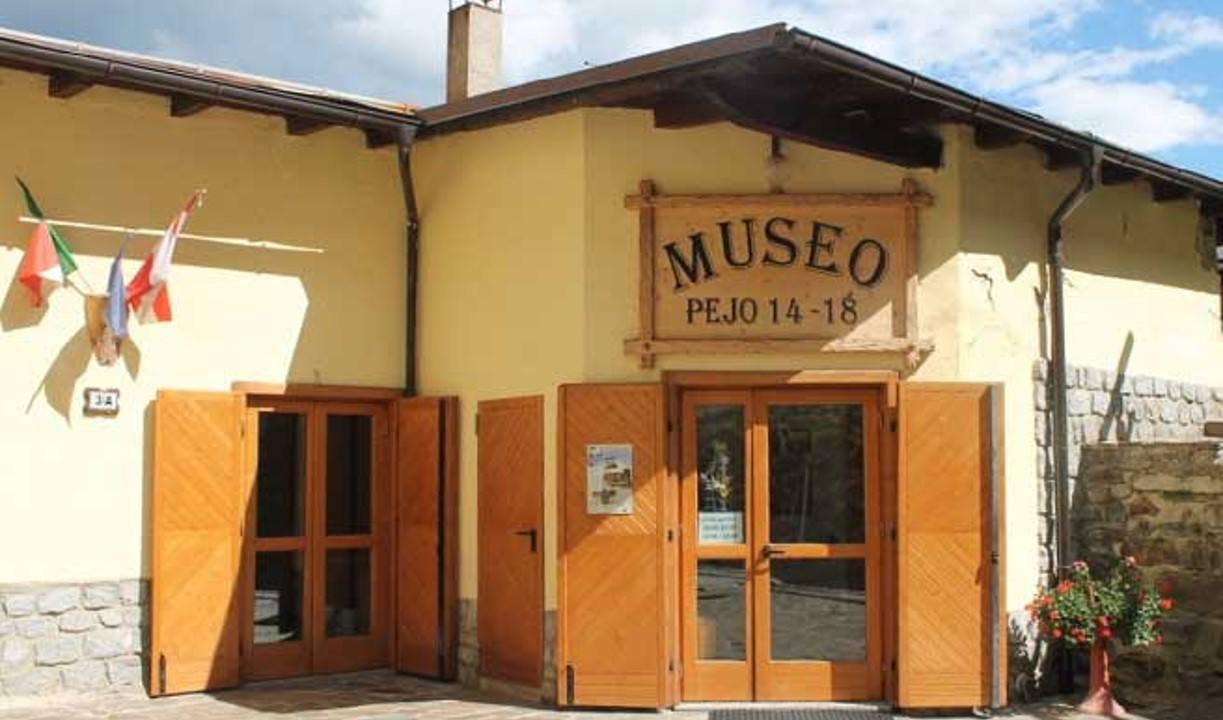
On 24 May 1915 Italy entered the war and Peio found itself on the front line: the war was on the doorstep. The museum tells of the daily life of the soldiers in the mountains and of the people in the village, more than of weapons.
The Peio museum is devoted to the First World War, and in particular to the “White War” fought between the Tonale and the Gavia above three thousand metres. It sets out to safeguard the memory of the people, men and women, marked by the war.
Many objects have come down from the glaciers almost intact and, a hundred years on, bring back a story that was cut short: medicines, hand-painted pipes, rosaries, a bullet turned into a lighter. The route through the rooms arranges them in eight stages, from the entrance to the video room.
The museum is the hub of educational, training and historical work on the First World War, both in general and in its local aspects. It is part of the network of First World War museums in Trentino.
The route through the rooms, in eight stages
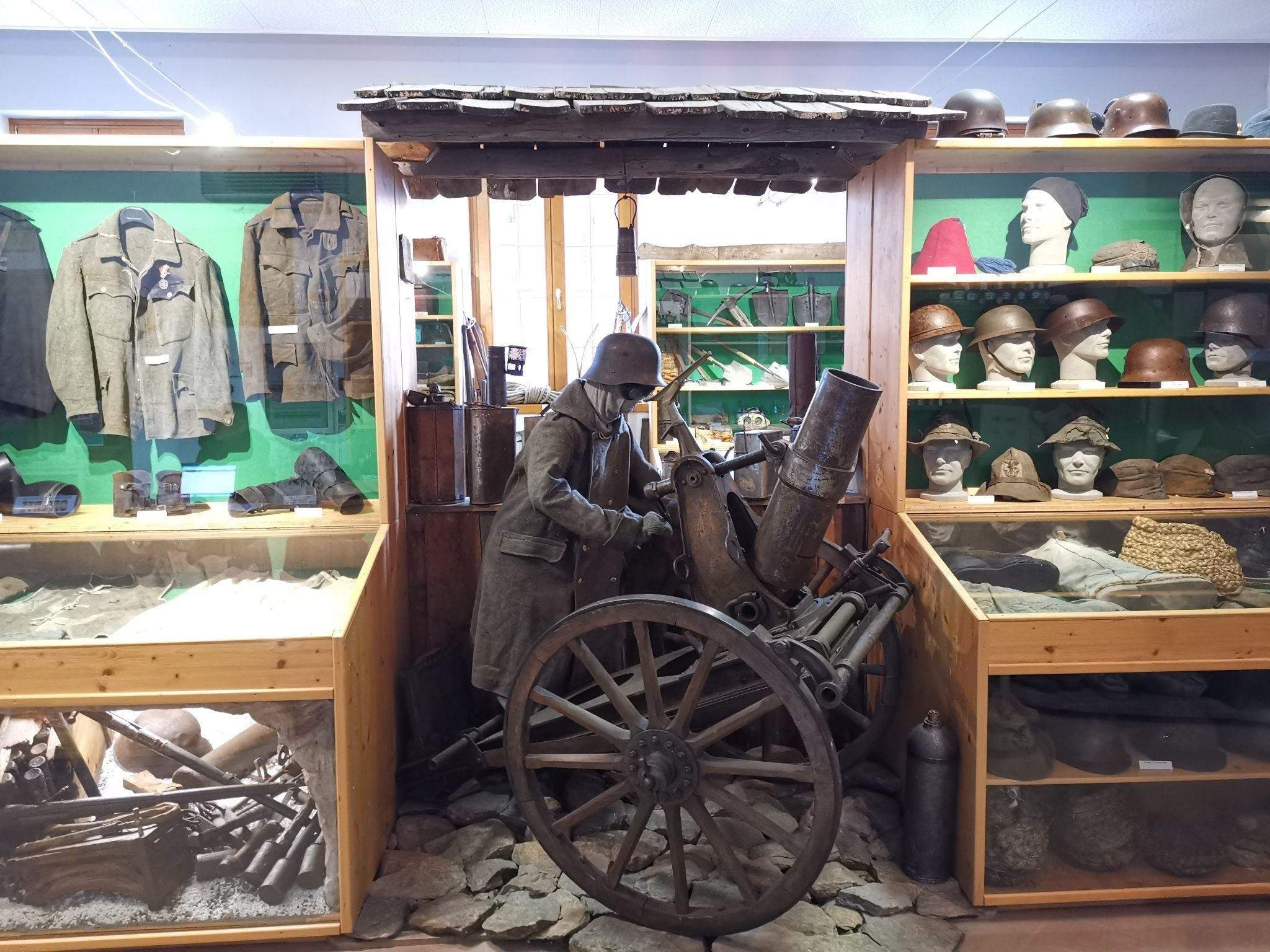
Entrance
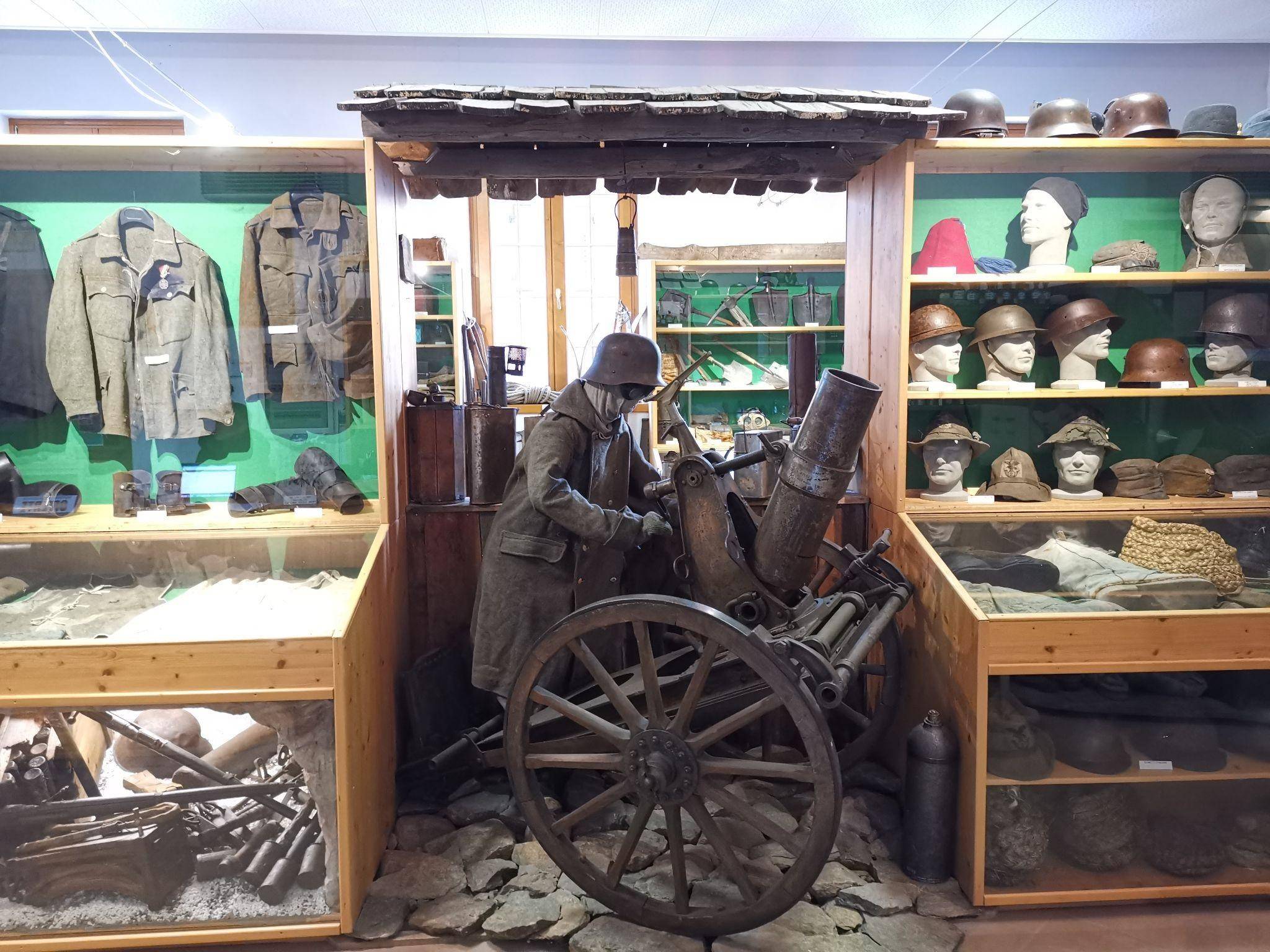
A gun position with a 1917 Škoda mortar, a rare mountain piece designed to destroy trenches and barbed-wire entanglements. The soldier wears mittens with two free fingers for firing, and goggles against the glare of the glacier.
Open the showcase on Entrance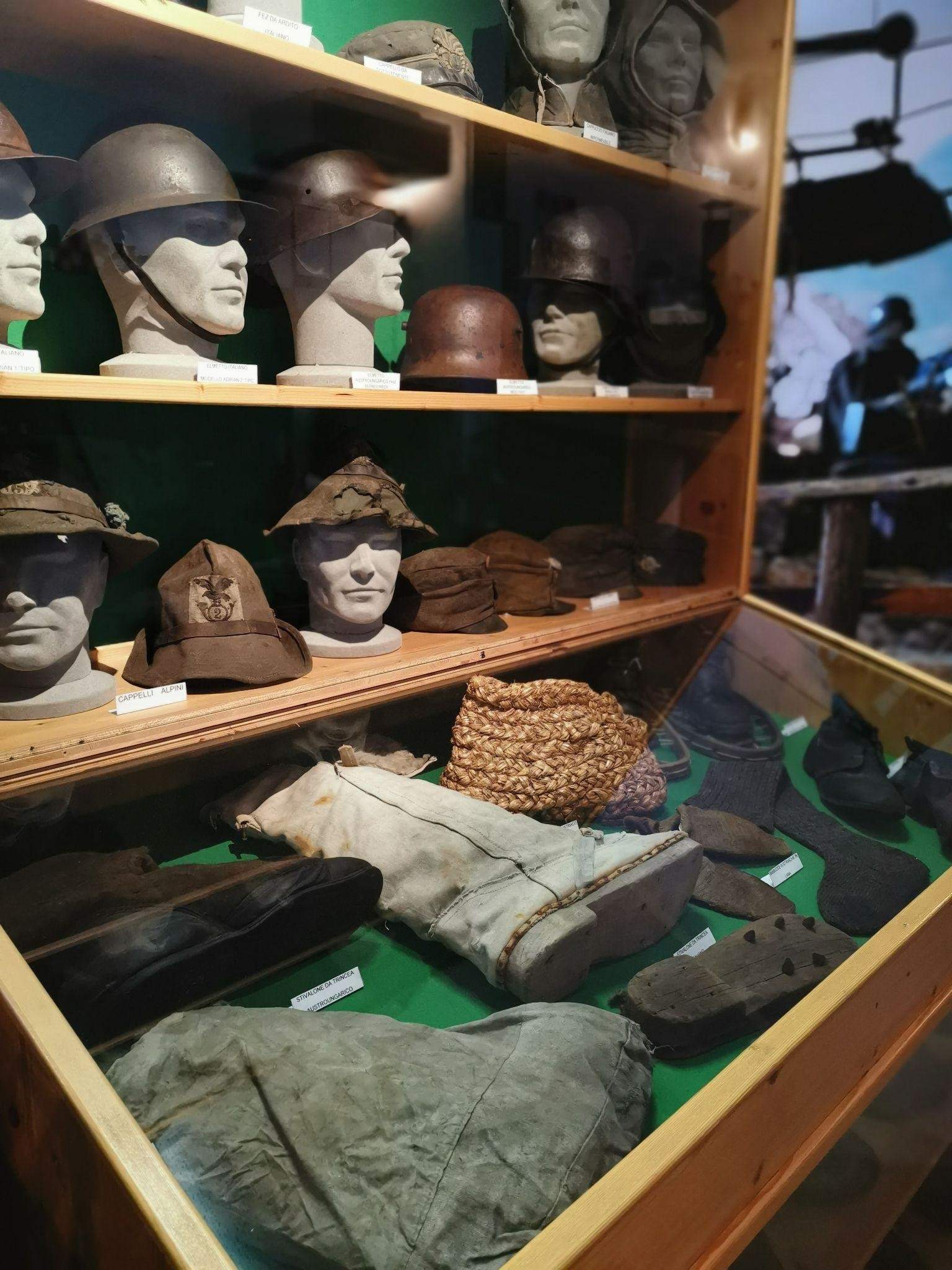
Clothing
Uniforms, Adrian helmets and a rare Berndorfer, Alpini hats, buttons bearing the emperors’ portraits. And the overshoes: fur at the start of the war, straw at the end.
Open the showcase on Clothing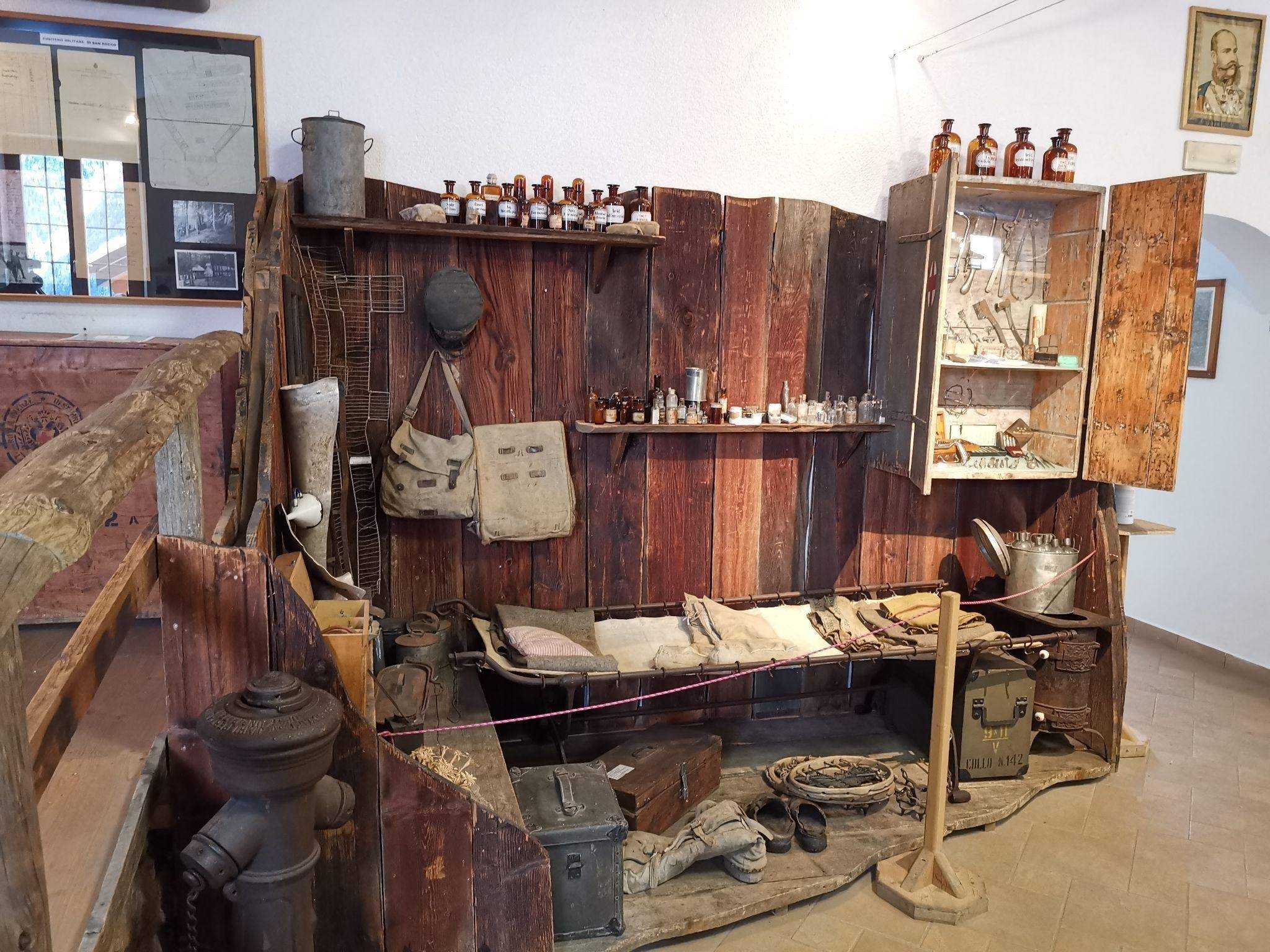
Medicine at high altitude
A sick bay reconstructed in a hut. At altitude, what was treated most was frostbite, ophthalmia, hunger and fractures caused by avalanches.
Open the showcase on Medicine at high altitude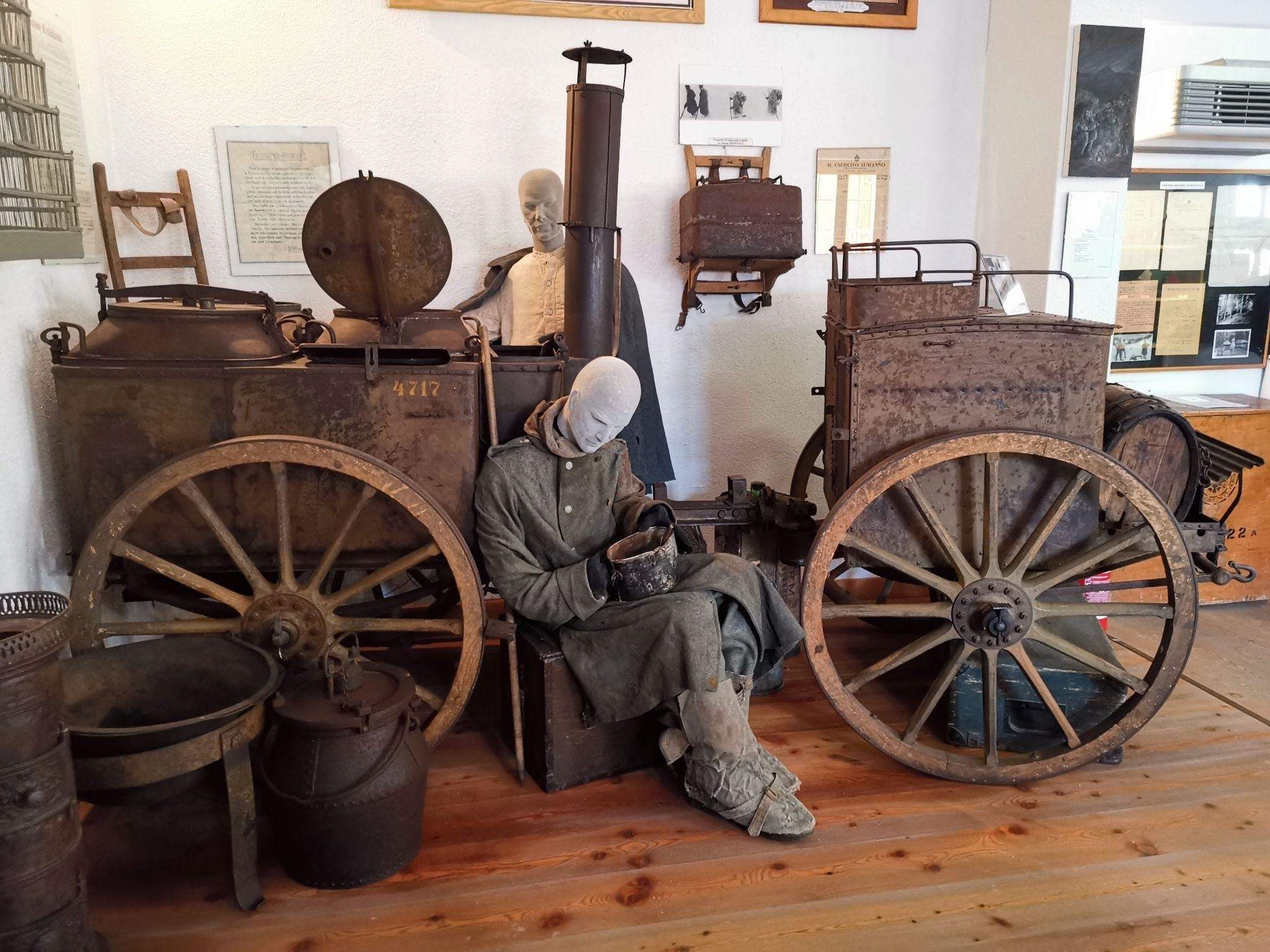
Kitchen, food and heating
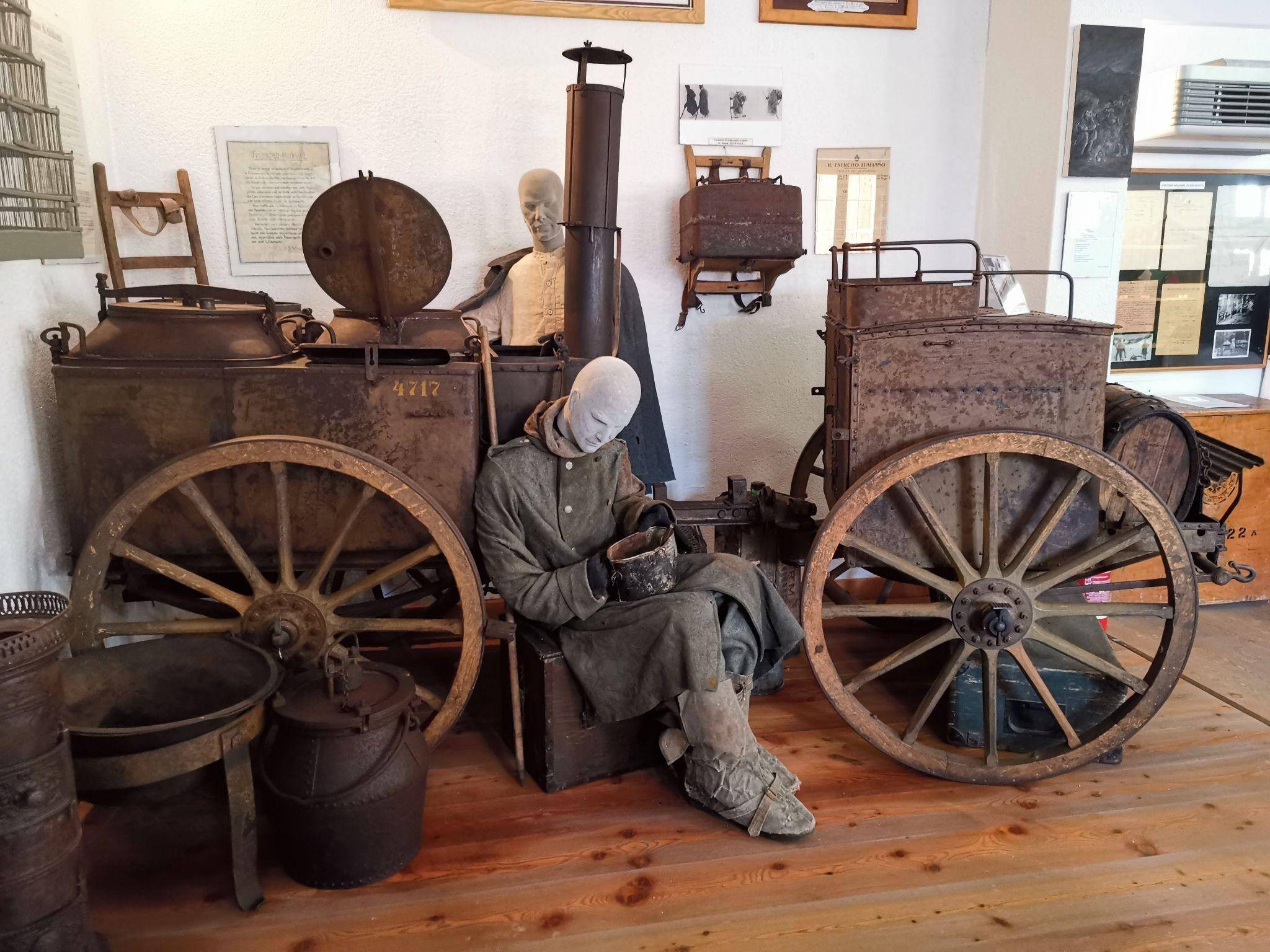
The “goulash cannon” from Pellizzano, the stoves of the positions, the first tins of meat from 1916 and 1917, opened however they could be.
Open the showcase on Kitchen, food and heating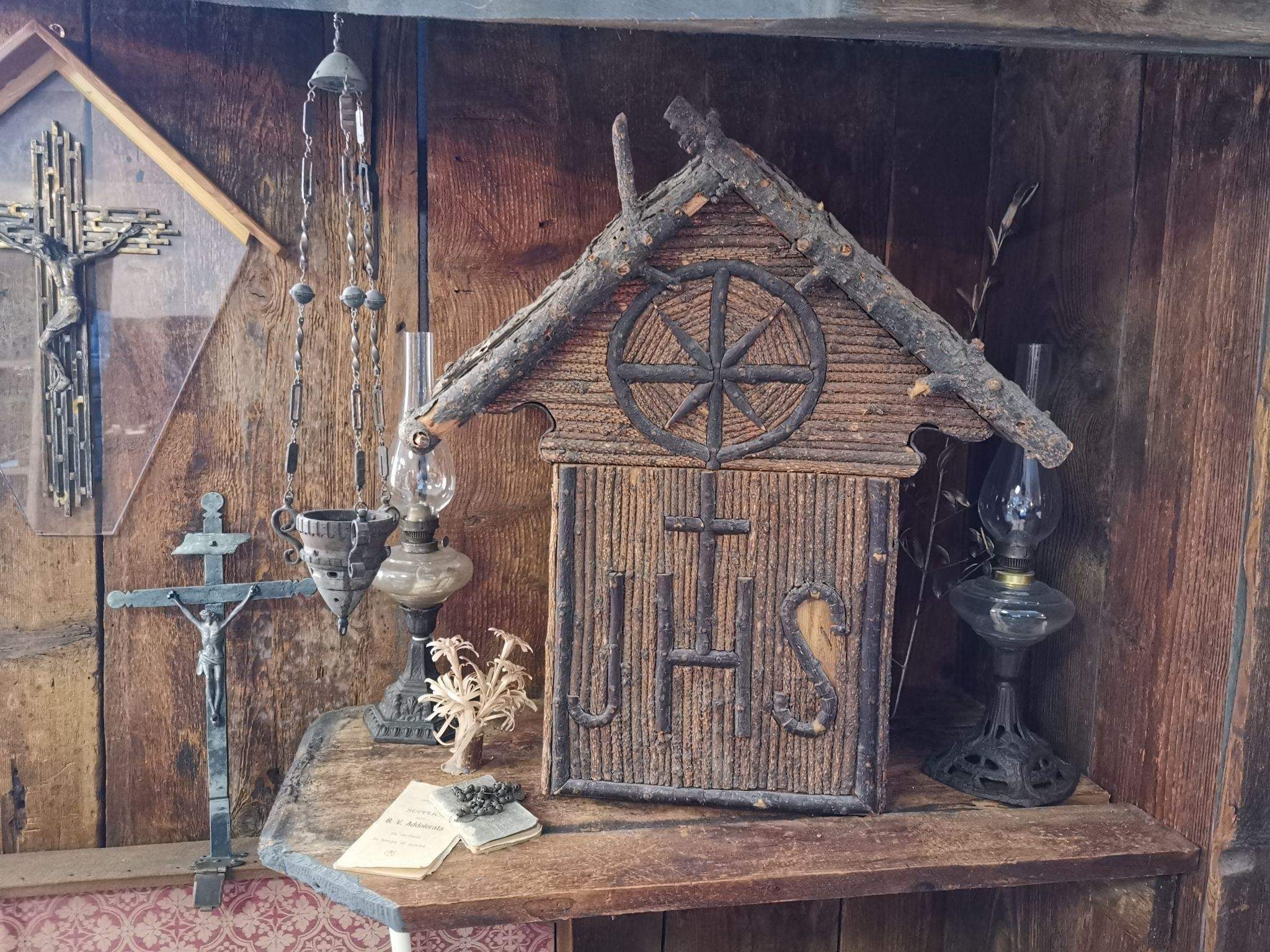
Religious life
The bark tabernacle from Pian della Vegaia and a portable altar packed in a suitcase, for the priest who had to move quickly from one point of the front to another.
Open the showcase on Religious life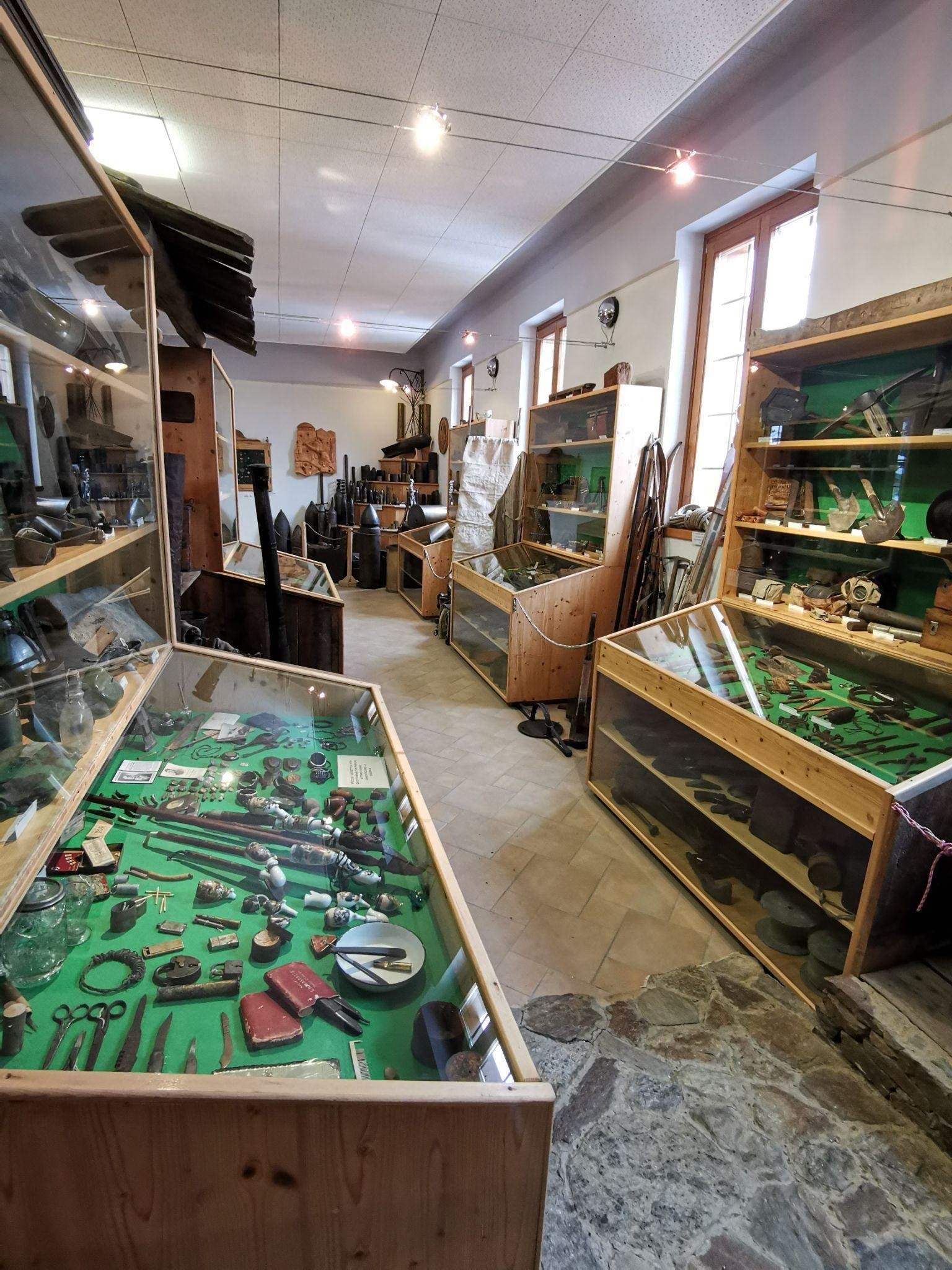
Everyday objects
Hand-painted pipes, penknives, sewing kits, a mirror with small combs perhaps used for moustaches, a bullet turned into a lighter.
Open the showcase on Everyday objects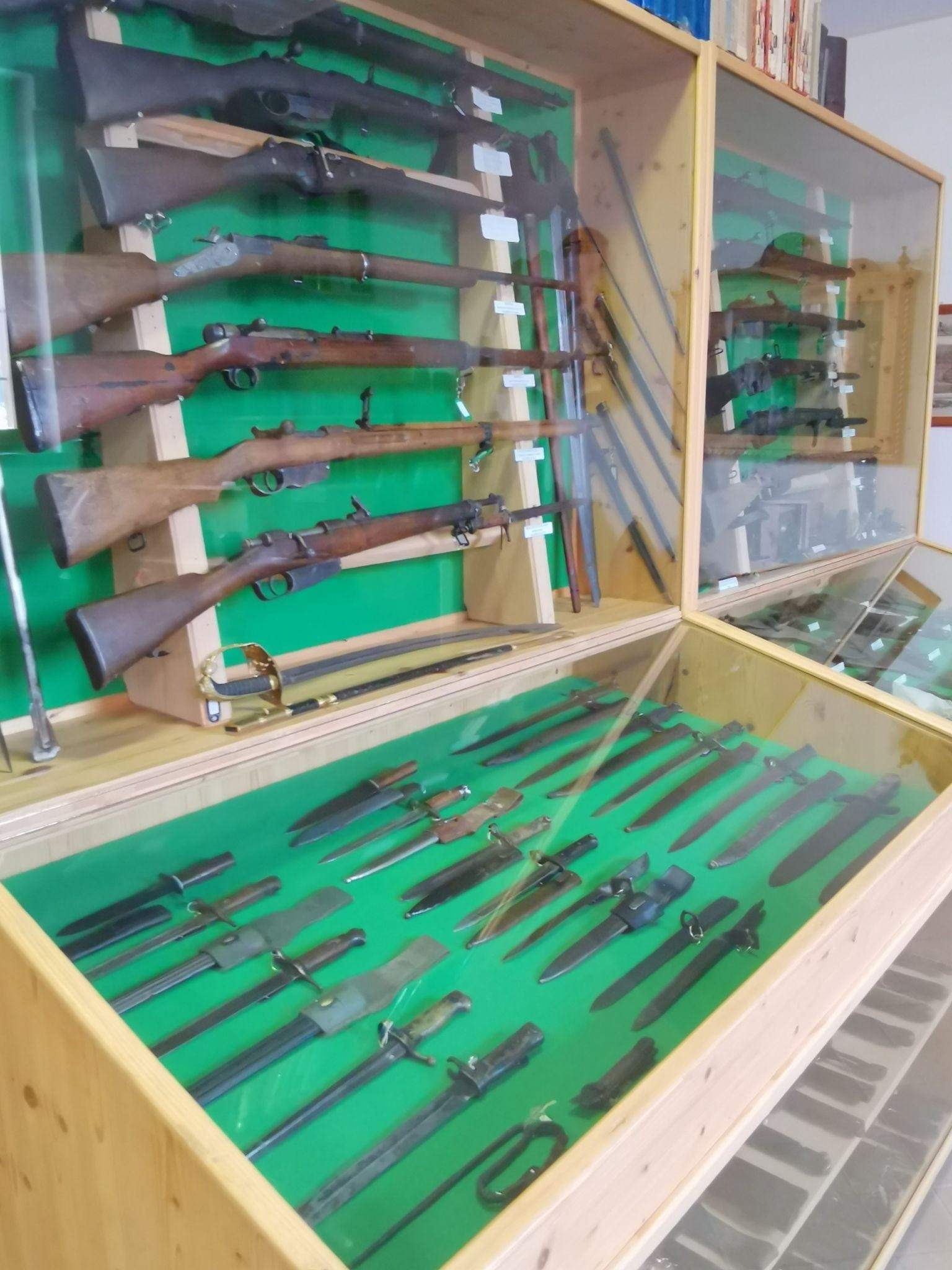
Armoury
Rifles and bayonets, the shells found in the ice and the tip of a 305-millimetre shell fired at San Matteo on 3 September 1918.
Open the showcase on Armoury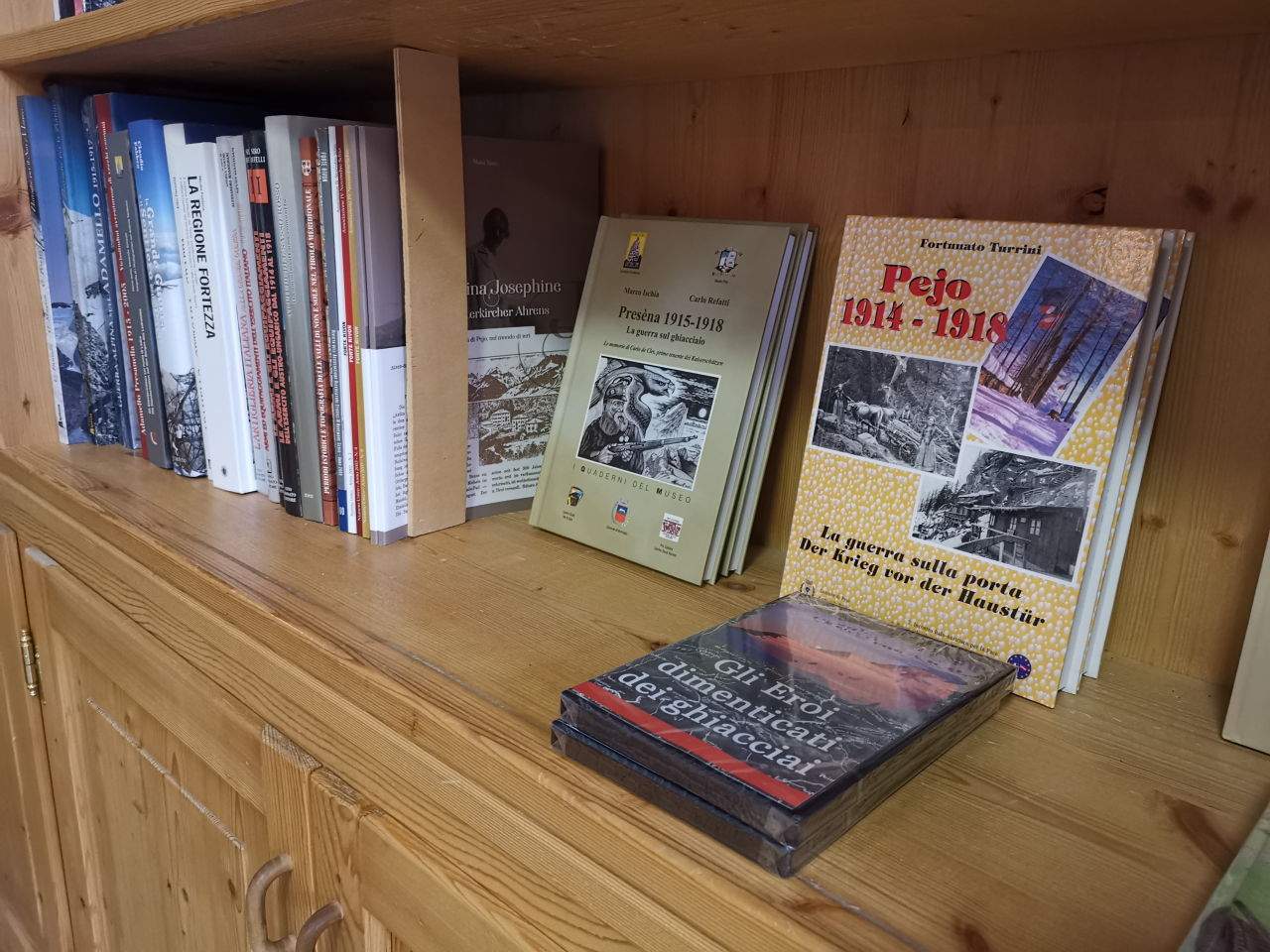
Video room and library
Period films and the documentary on the battle of San Matteo, where Captain Arnaldo Berni died; he still lies buried in the ice. Next to it, diaries and memoirs of soldiers and civilians.
Going further
- ShowcaseGiven back by the iceBottles, syringes, bandages, a stretcher: objects that came down from the glaciers almost intact after a hundred years.
- ShowcaseMedicine at three thousand metresAt altitude, avalanches and blizzards often claimed more lives than the enemy.
- ShowcaseThe field kitchenFive large pots for about 250 soldiers, and wood stoves to melt the snow.
- ShowcaseFaith in the trenchesA tabernacle of twigs and bark, built by soldiers during the war.
- ShowcaseDressing for the coldOvershoes of rabbit fur in the early years, of woven straw when materials ran out.
- ShowcaseThe weapons of the White WarTwenty thousand rounds in a single night: the summit of San Matteo ended up six metres lower.
- Themed routeThe White War, from the village to the summitSeveral outings: the village on foot, the fort and the Vegaia as hikes, Punta Linke as a trek, high mountains
- Themed routePeio Paese on footOn foot around the village; San Rocco ten minutes from the museum, easy