The climb begins at Cogolo, where the cableway started
During the war an Austro‑Hungarian cableway linked Cogolo di Peio with the “Coston delle barache brusade”, by way of Punta Linke. We follow it too: each place in the museum network appears at its own altitude, from Peio Paese to the glacier.
1,567 mPeio Paese
Water and bread
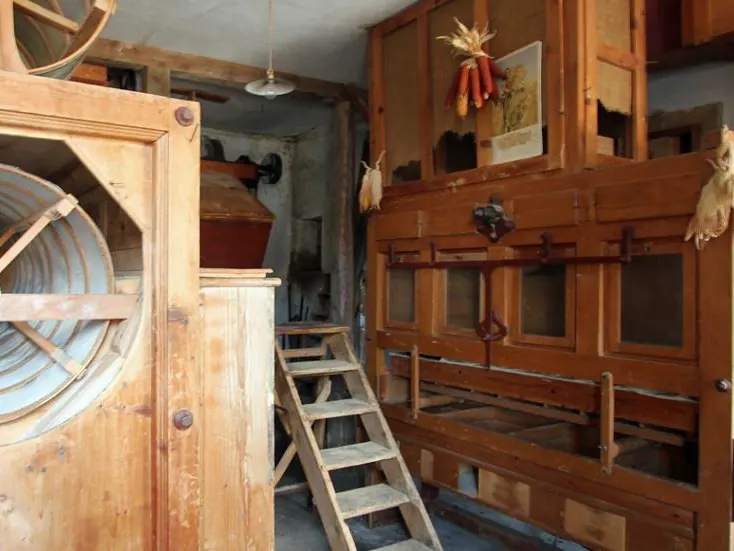
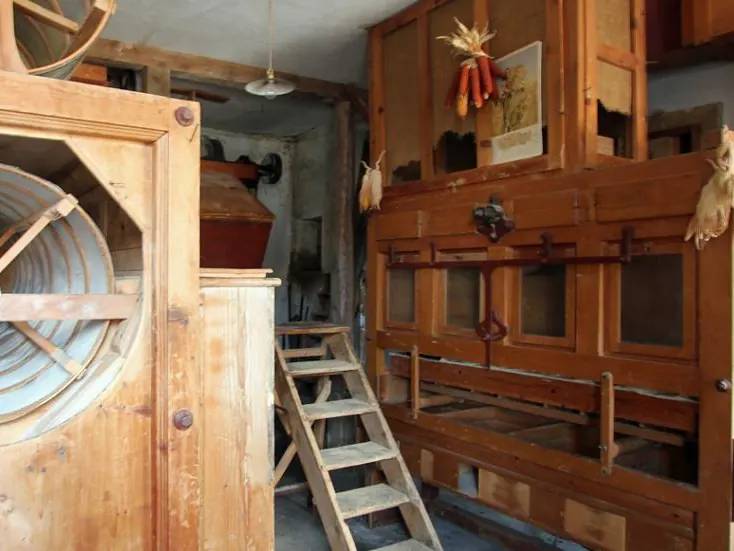
Molìn dei Turi
The water mill of Peio Paese
It stands in Via Cristoforo Turri, in the centre of the village: the power of water, the millstone, the flour.
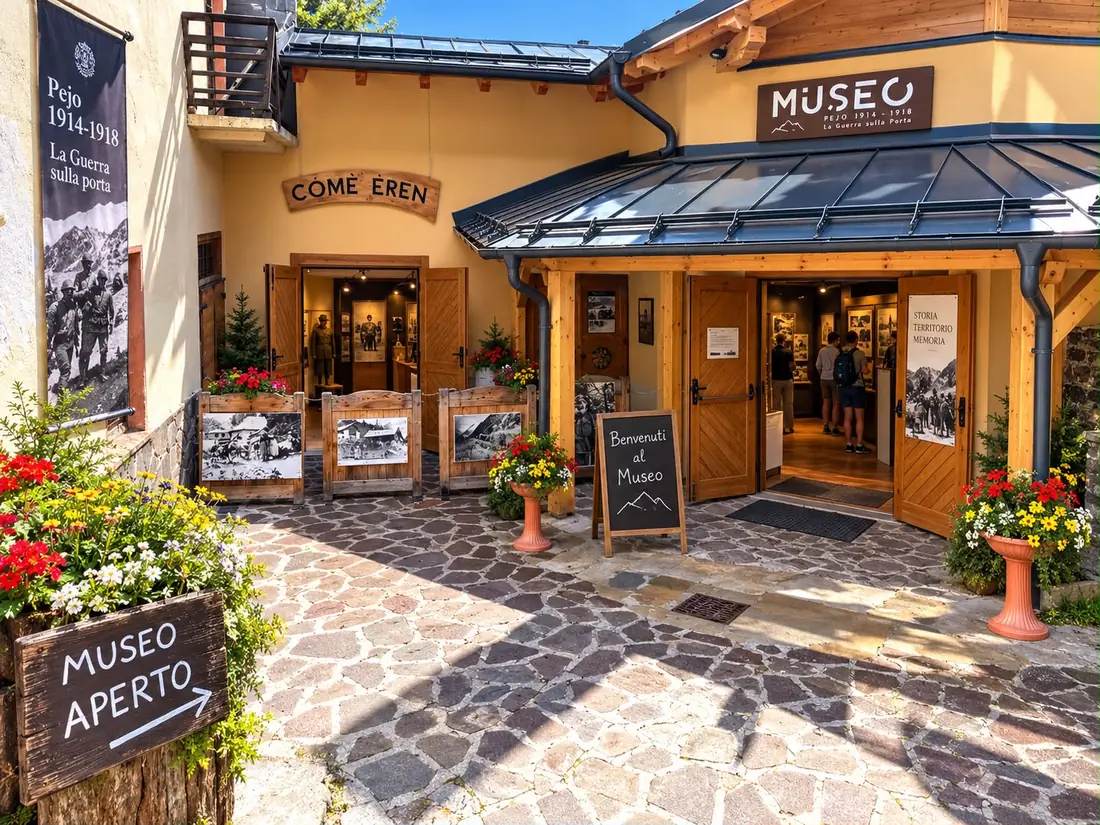
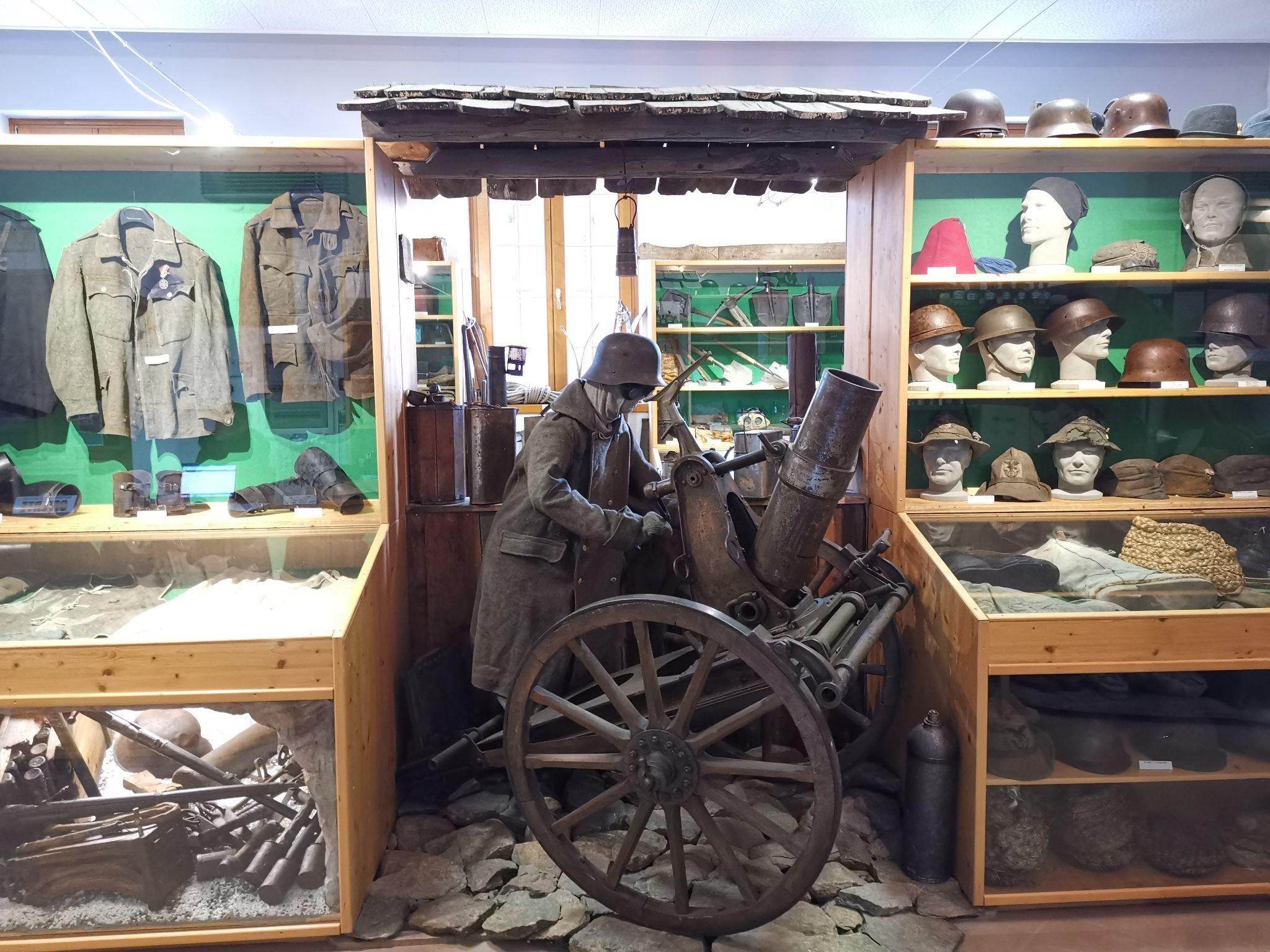
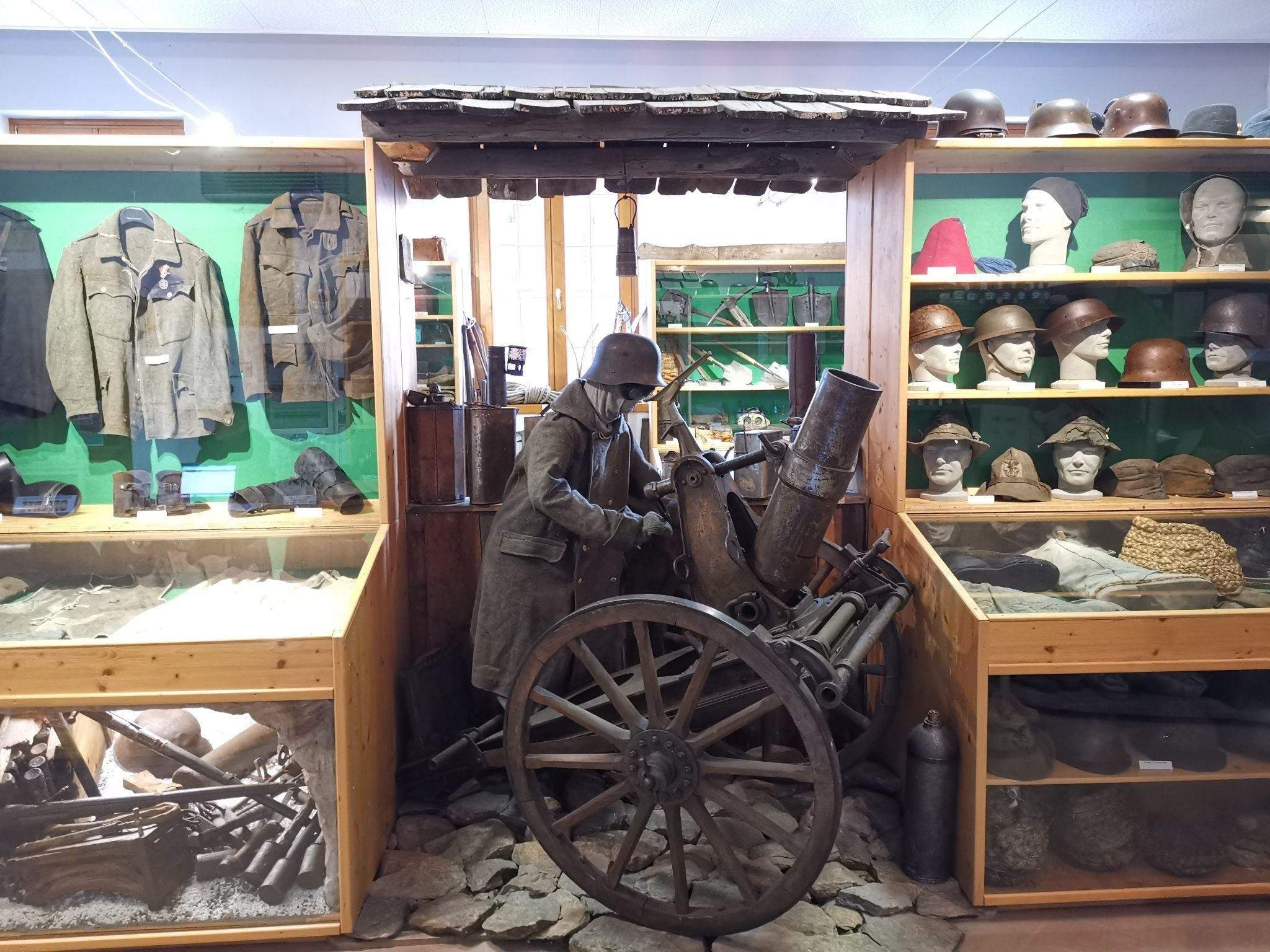
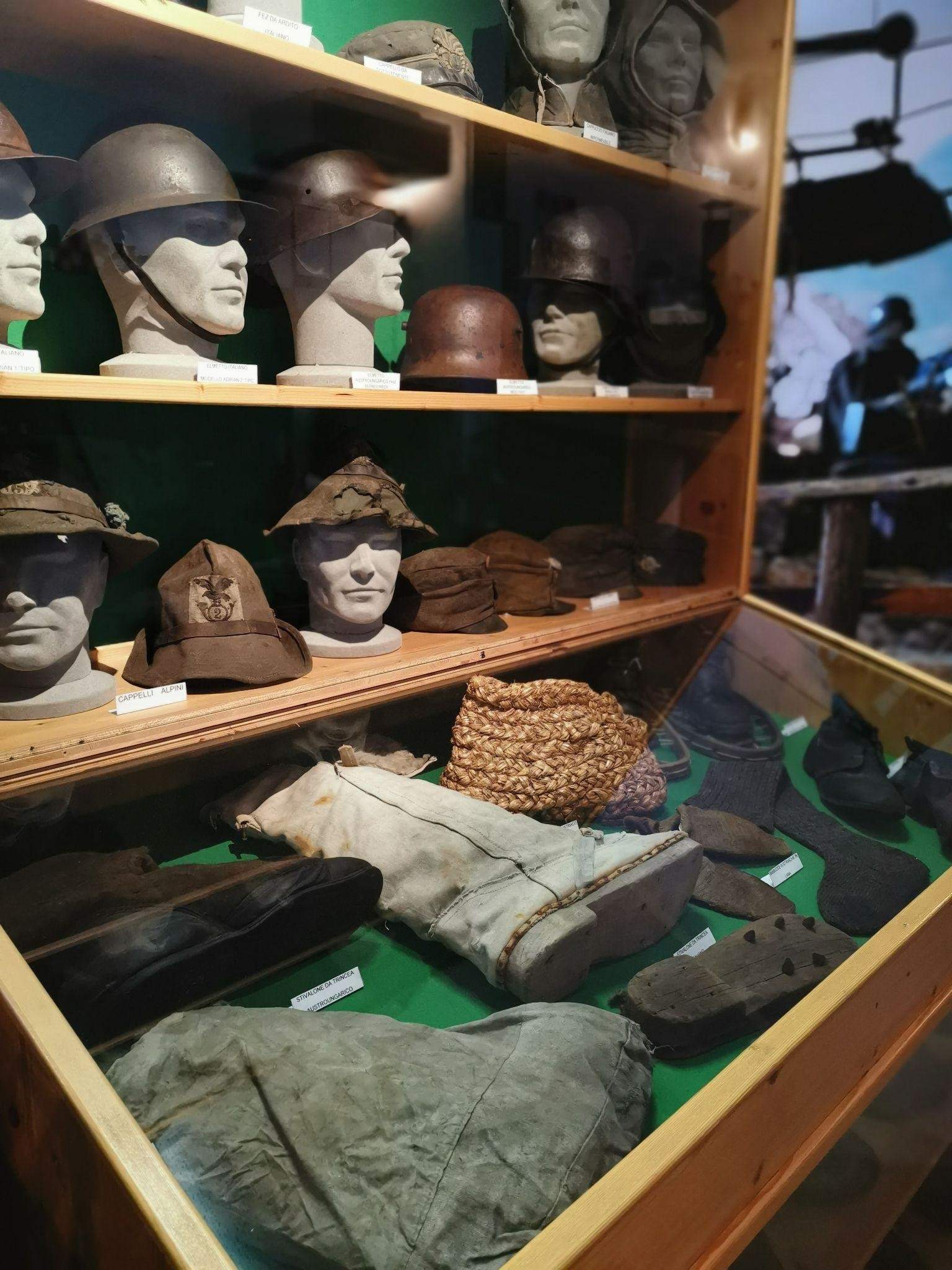
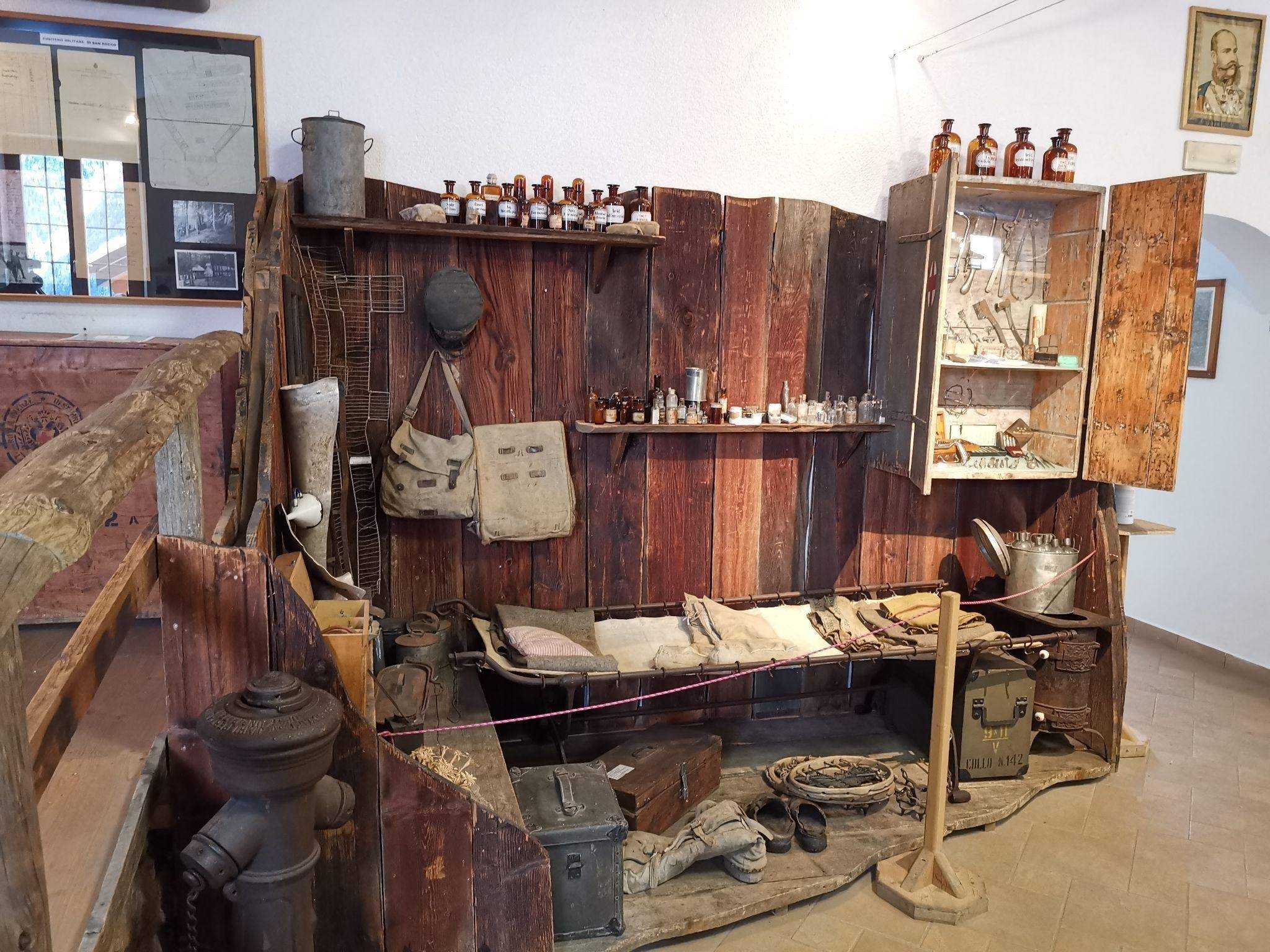
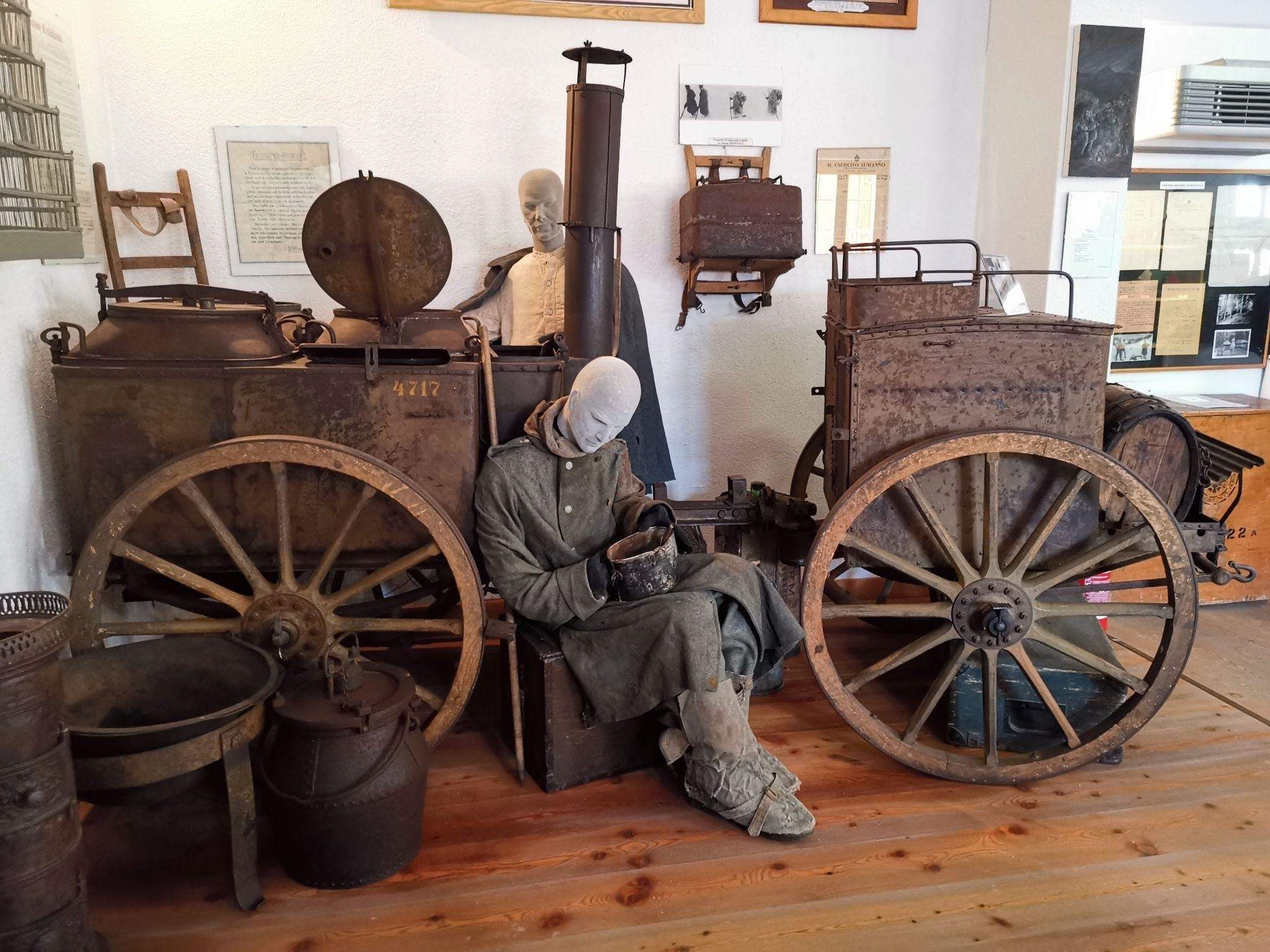
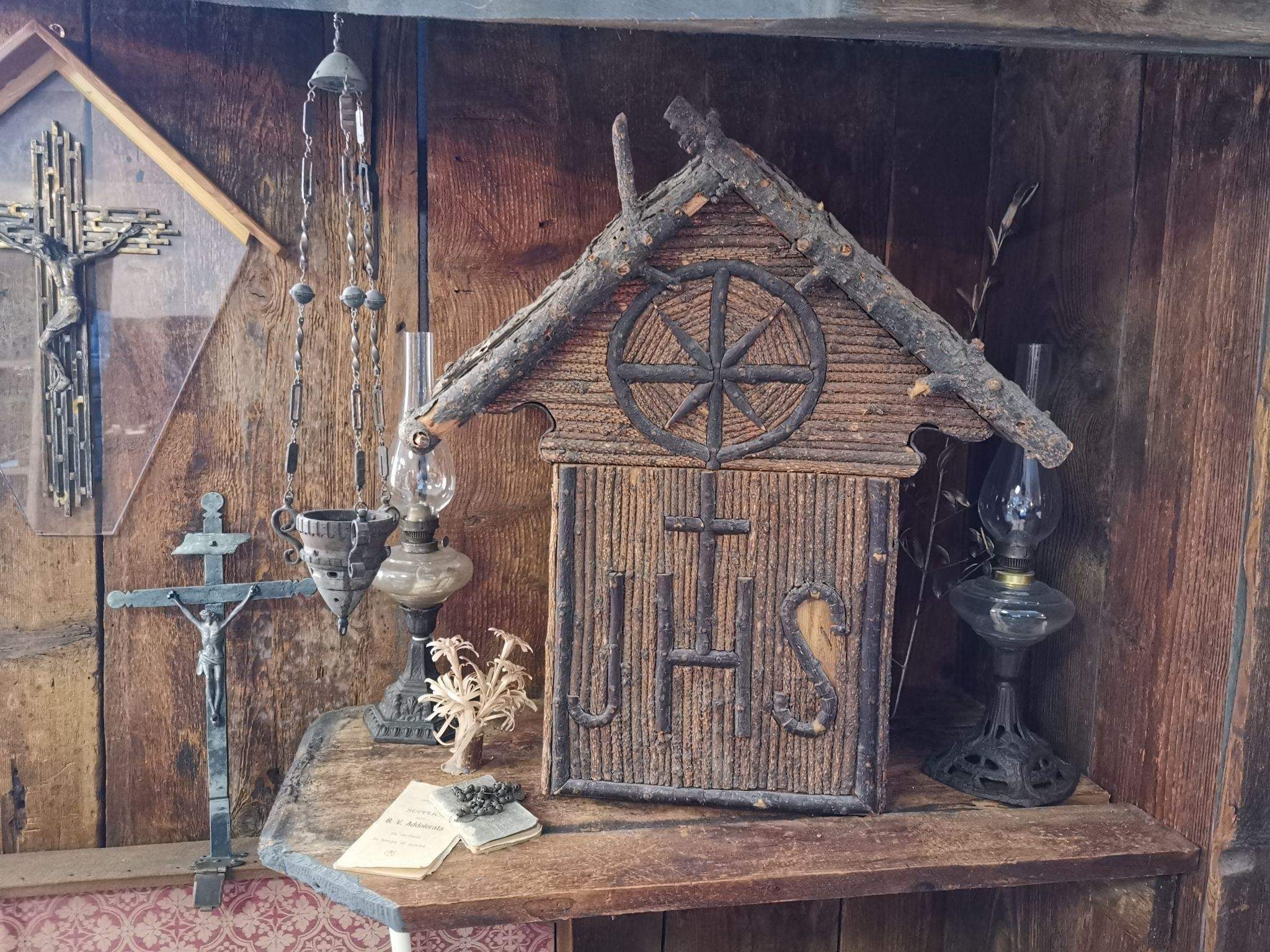
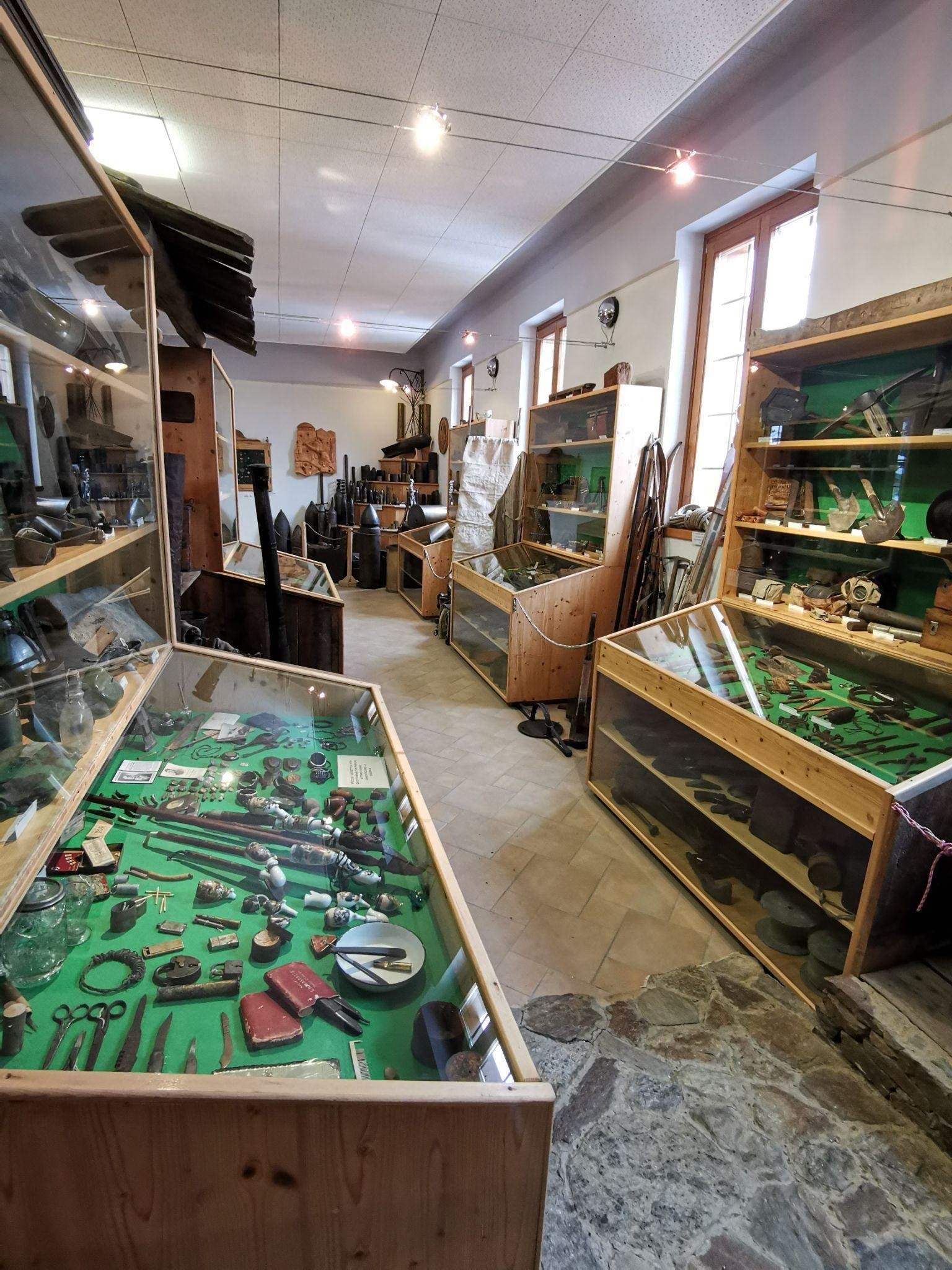
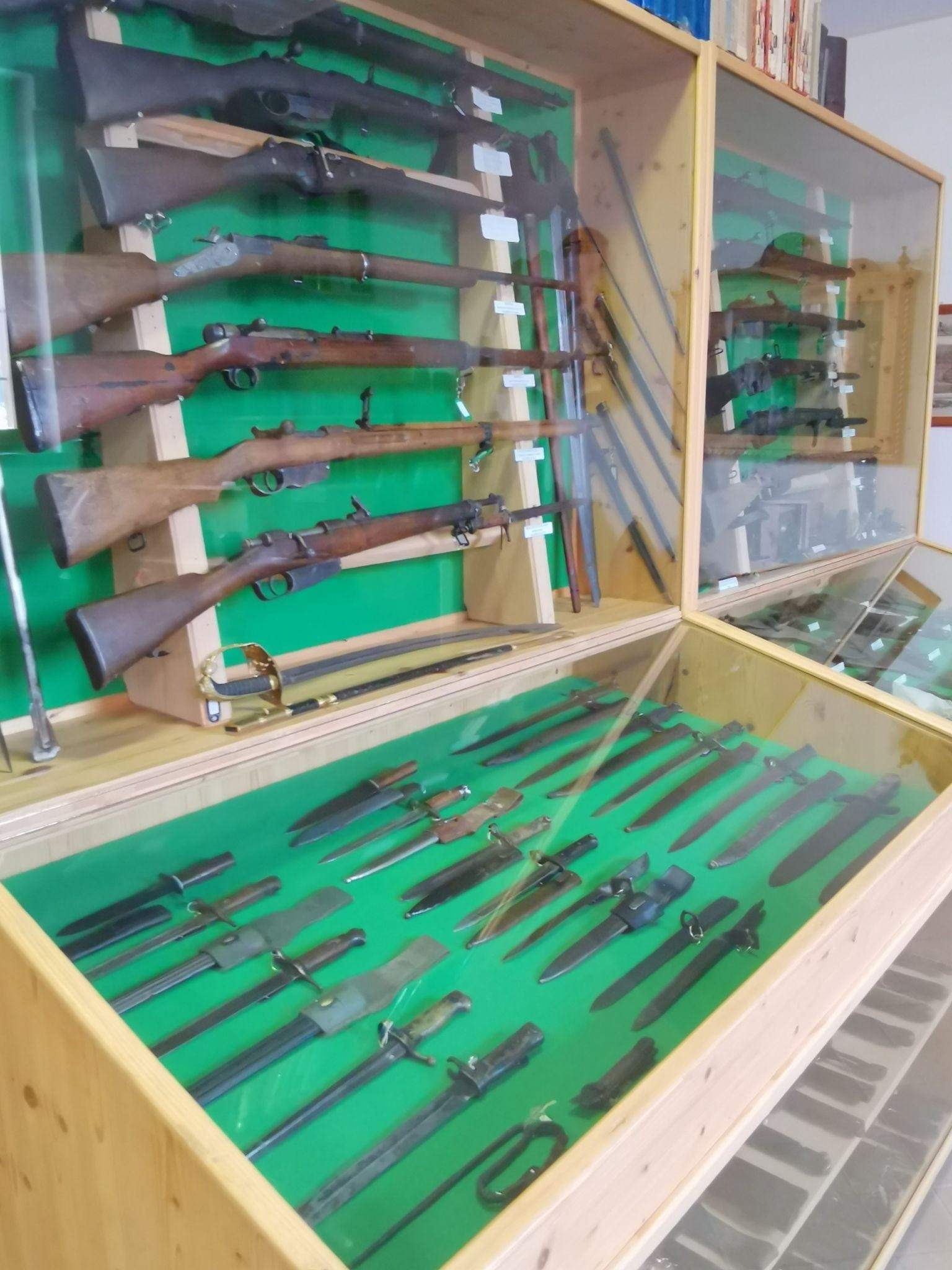
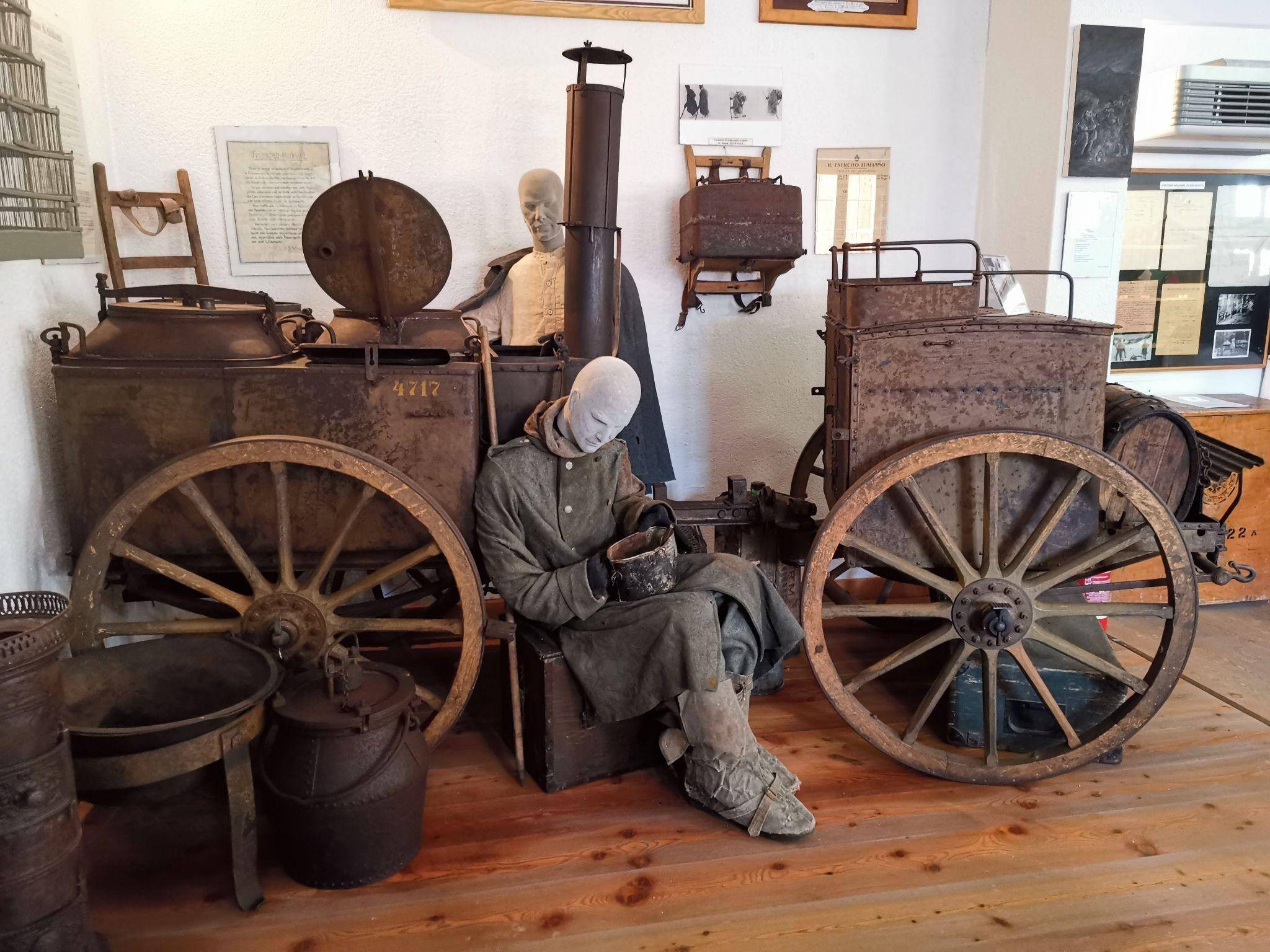
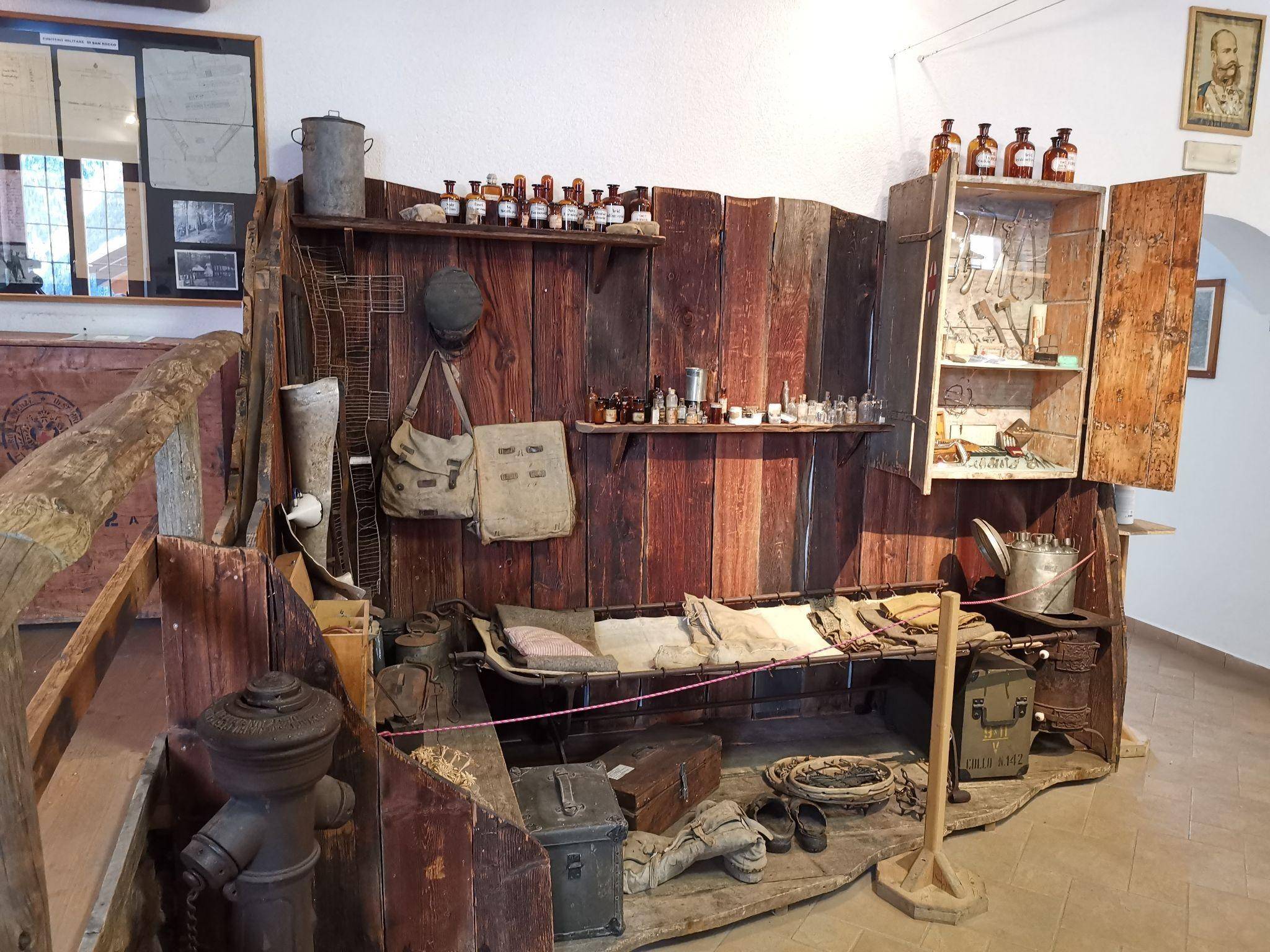
On 24 May 1915 Italy entered the war and Peio found itself on the front line: the war was on the doorstep. The museum tells of the daily life of the soldiers in the mountains and of the people in the village, more than of weapons.
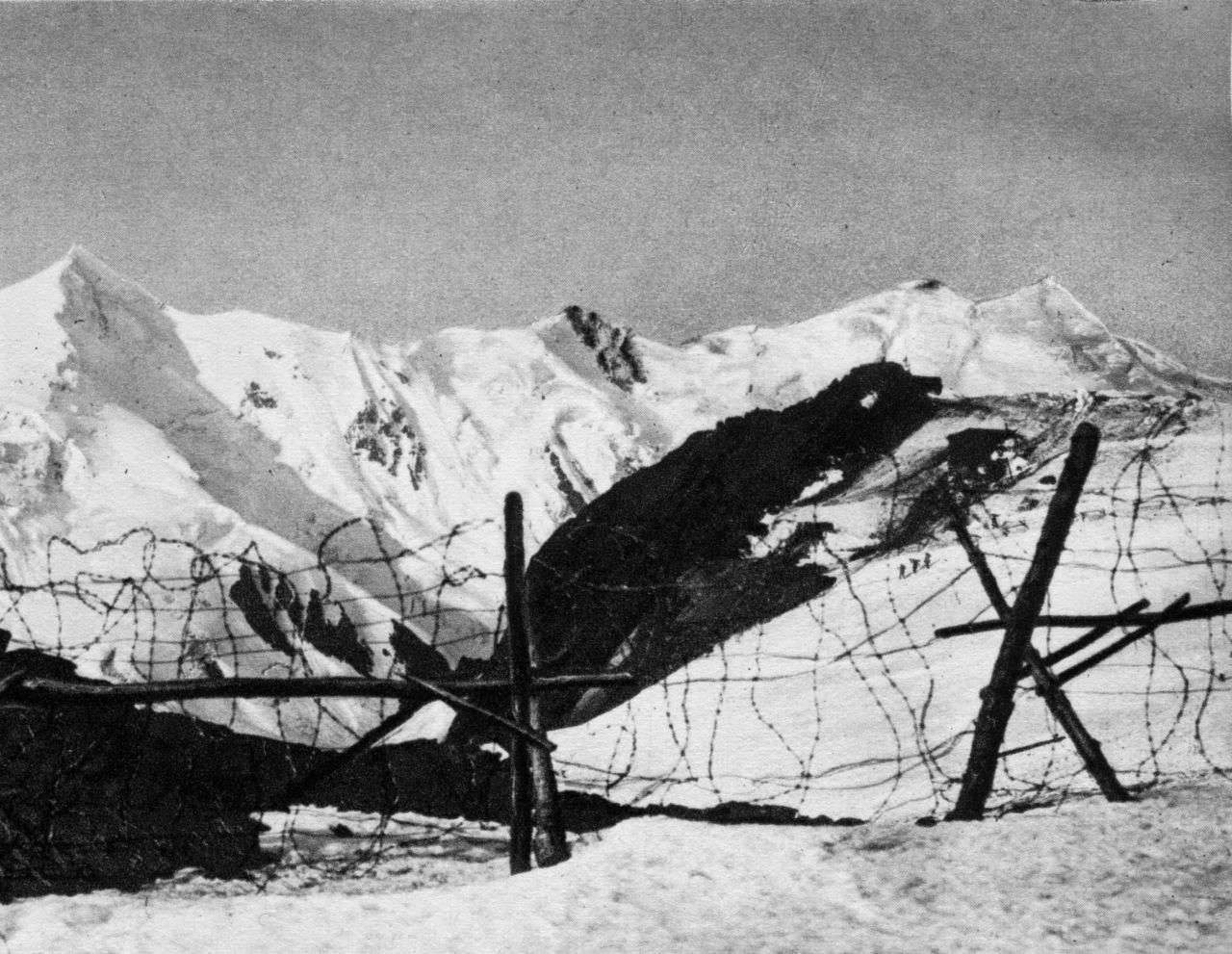
The Tyrolean front ran above three thousand metres
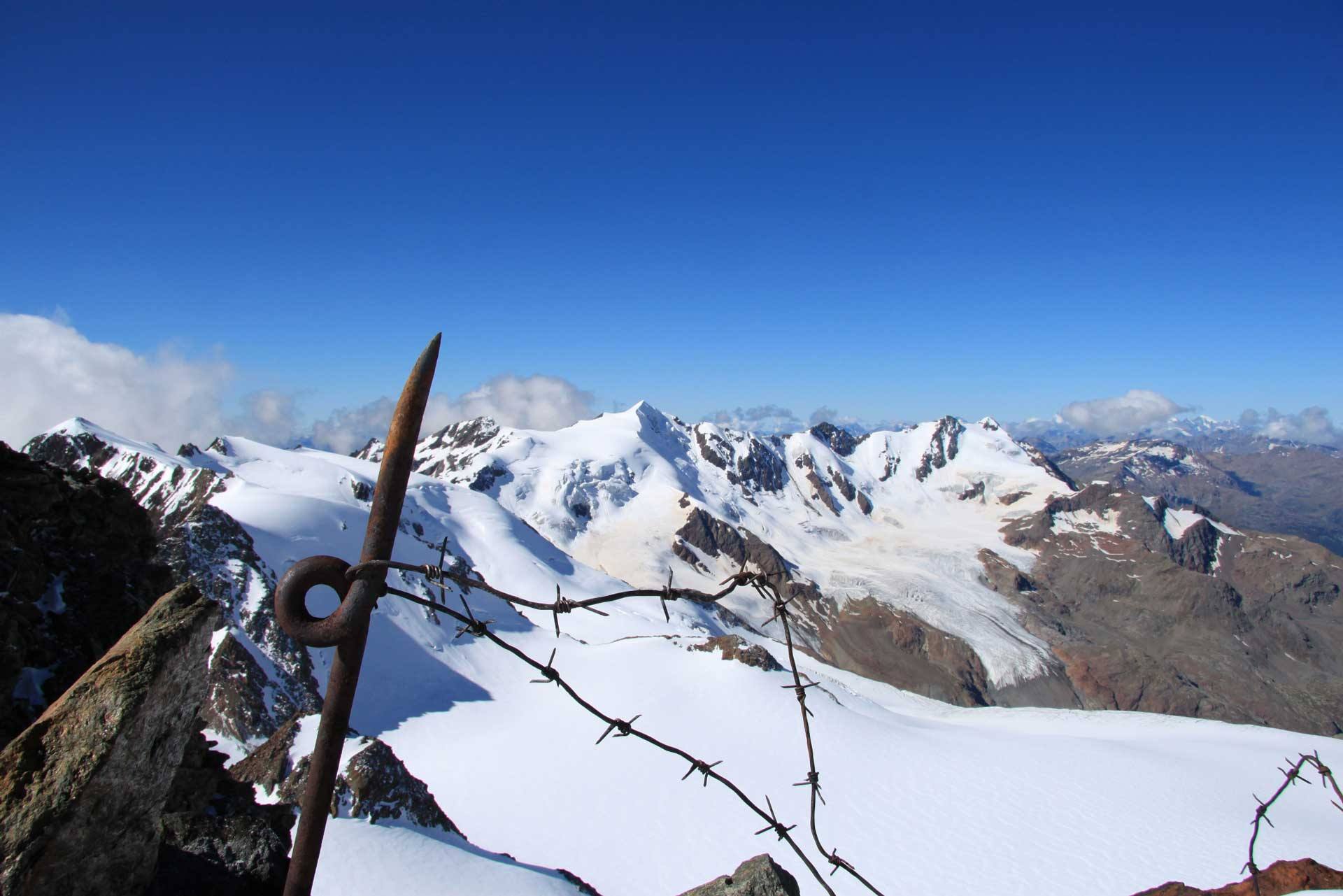
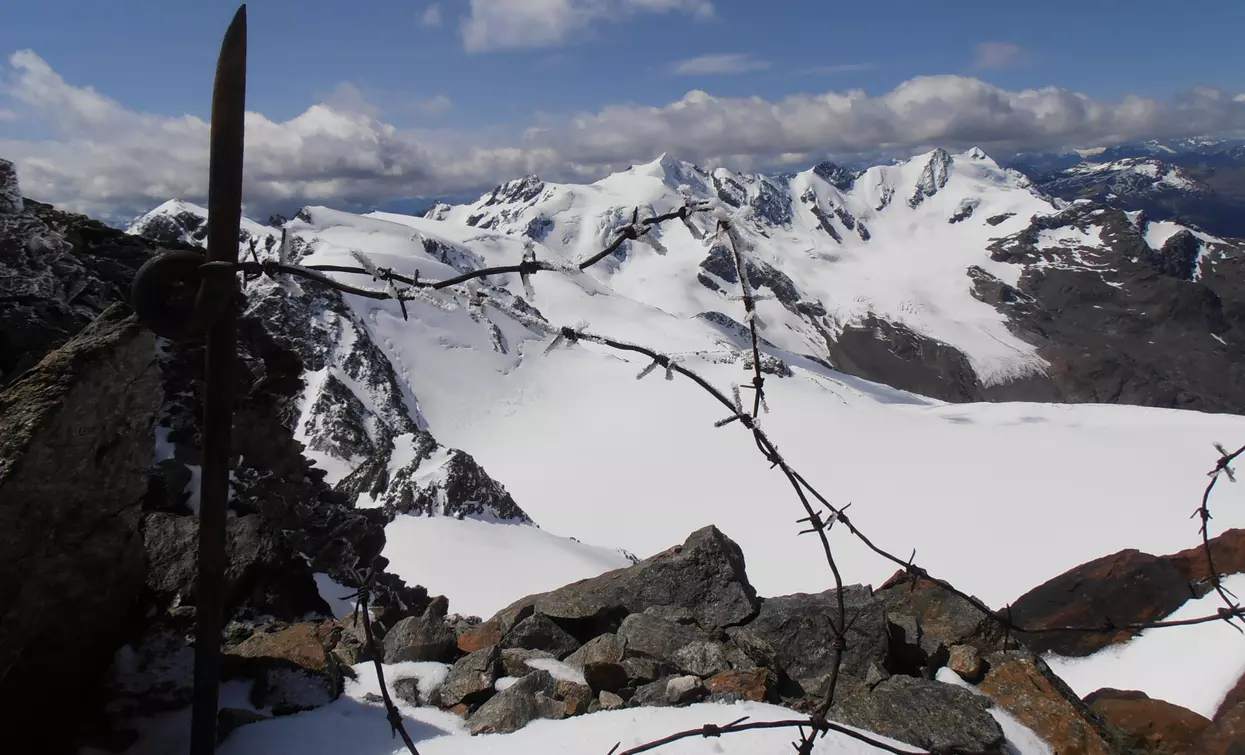
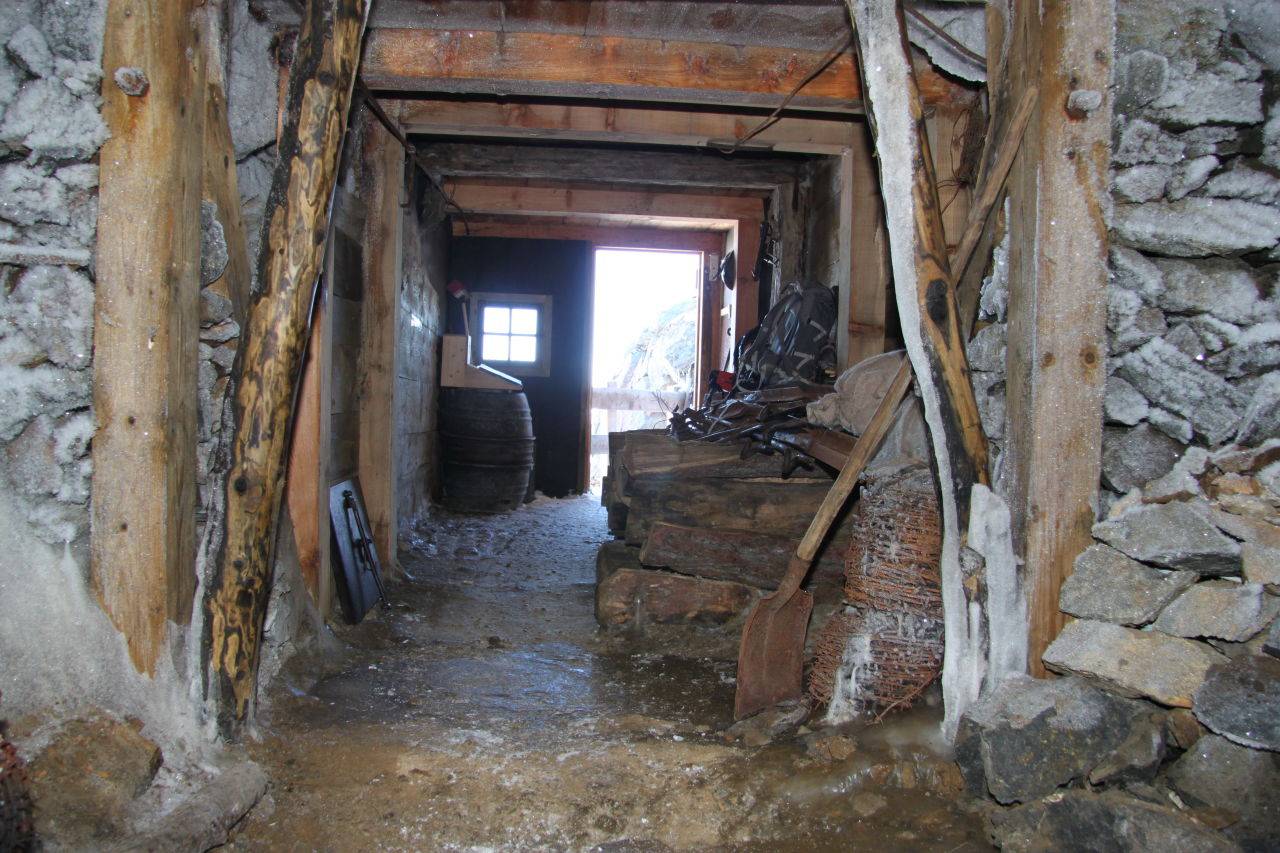
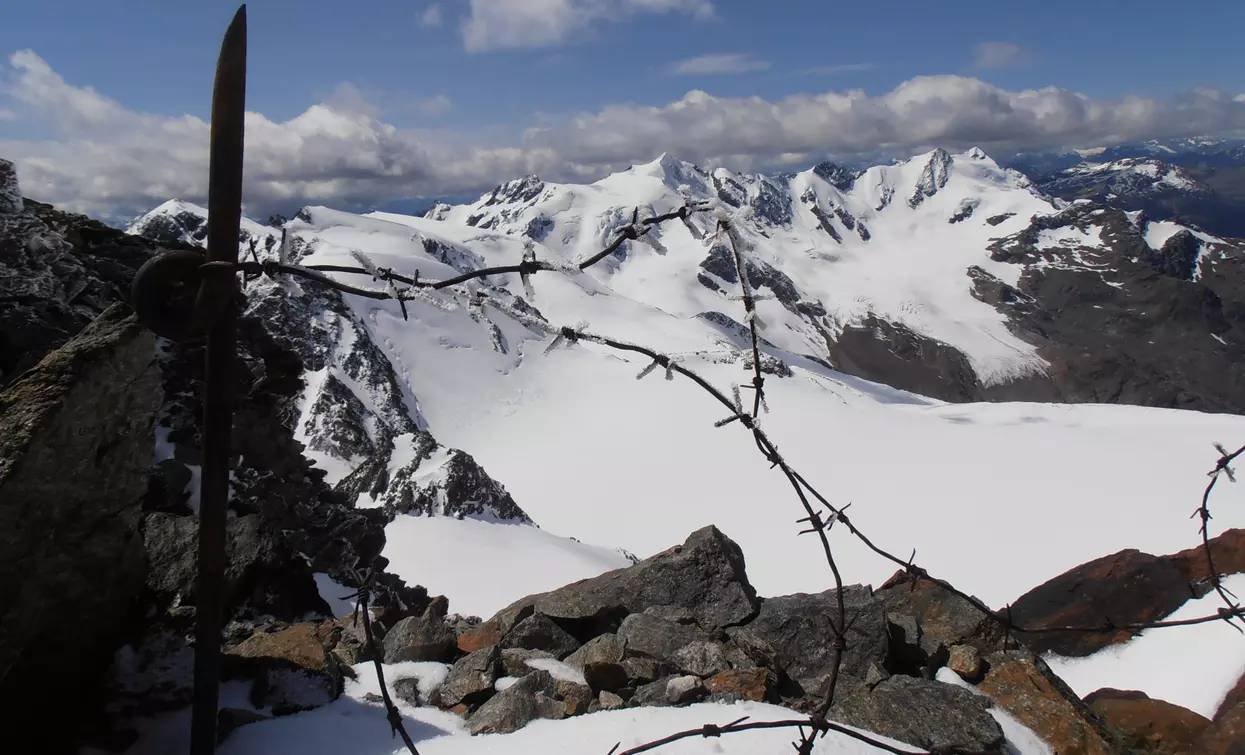
Here the Tyrolean front ran across glaciers and snowfields, above 3,000 metres. From Punta Linke, the cableway’s intermediate station, the last stretch was worked in safety, from inside a tunnel dug between permafrost and rock.
Today it is reached on a trek for experienced hikers, with the Rifugio Vioz as a base and with suitable equipment.
3,632 mOrtles‑Cevedale group
High altitude
Punta Linke
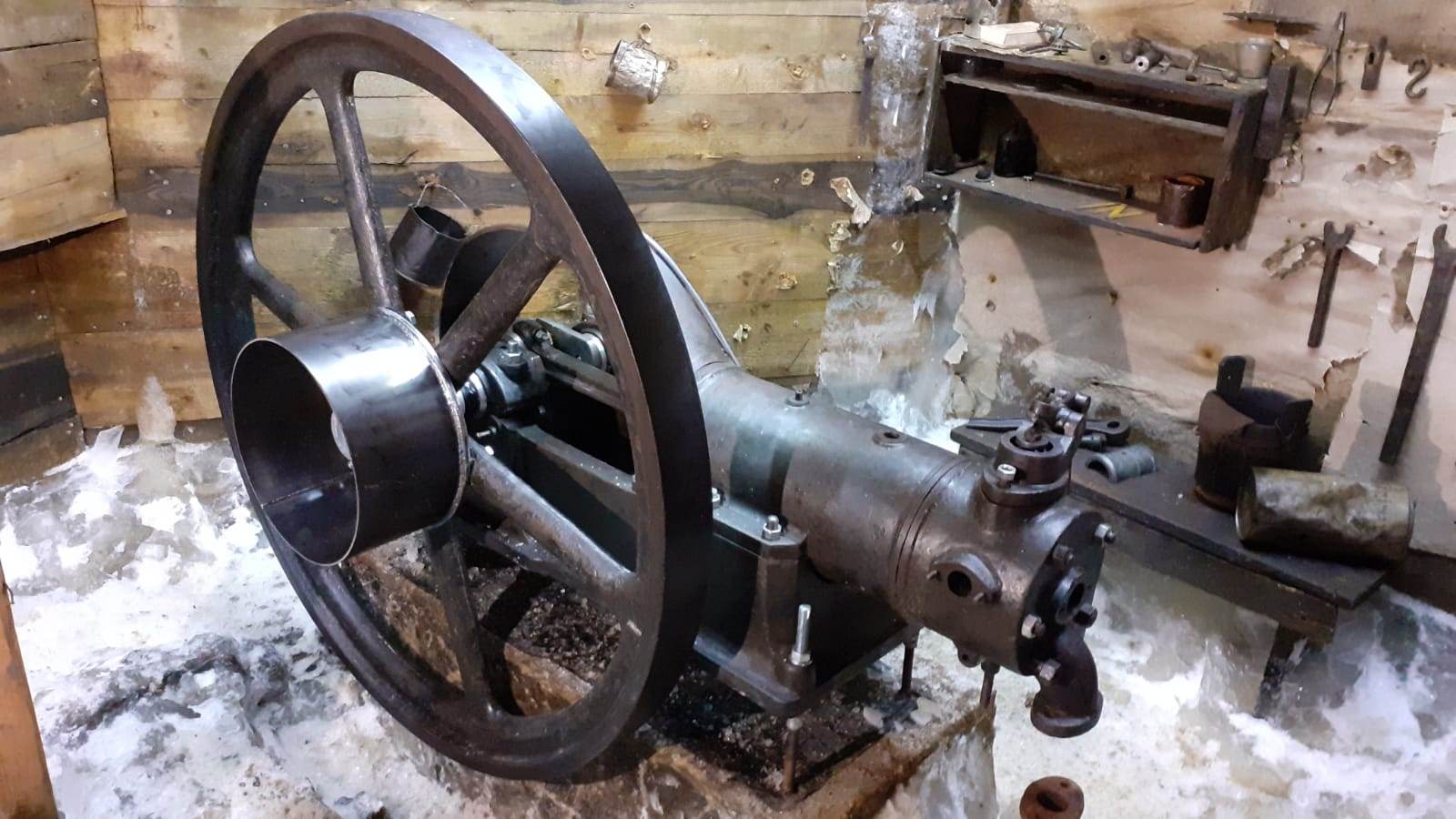
The cableway station given back by the ice
This was the intermediate station of the Austro‑Hungarian cableway that linked Cogolo di Peio with the “Coston delle barache brusade”. The ice preserved it for almost a century.
The White War from the village to the summit, the places of work, Peio Paese on foot. For each route: how long it takes, how difficult it is and its highest point.
For those who want to understand the front by walking through it
Difficulty
high mountains
Stops
5 stops5: Museo Pejo 1914‑1918, 1,581 metres; San Rocco military cemetery, altitude not given; Forte Barba del Fior, 1,600 metres; Pian della Vegaia, 1,900 metres; Punta Linke, 3,632 metres.
Duration
Several outings: the village on foot, the fort and the Vegaia as hikes, Punta Linke as a trek
For those who want to see the village without taking the car
Difficulty
easy
Stops
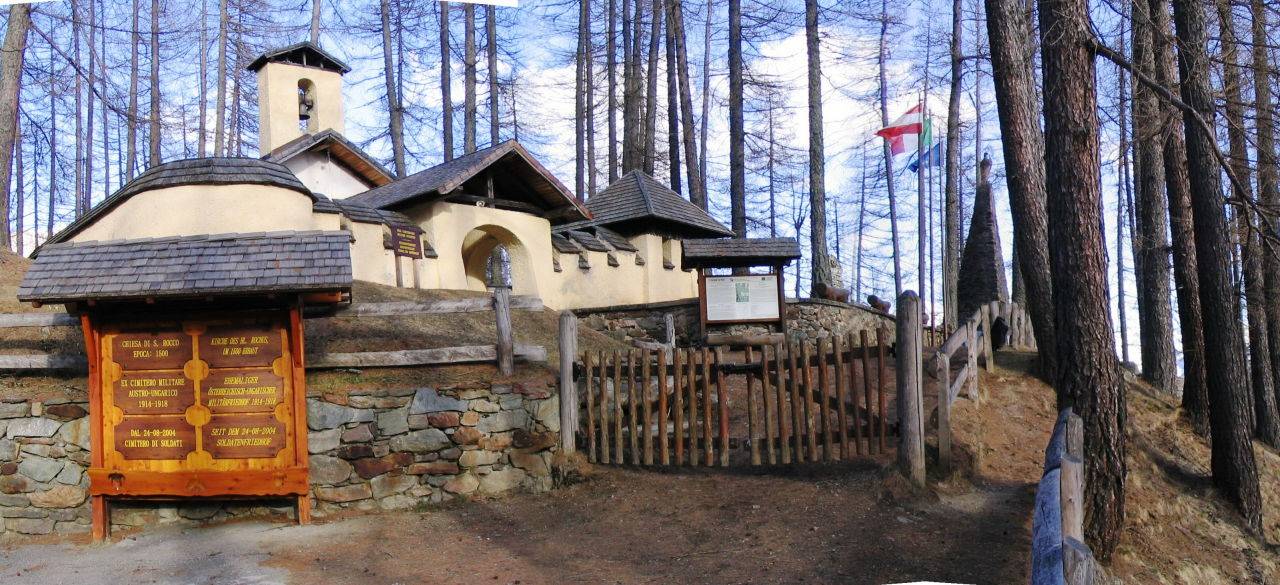
4 stops4: Museo Pejo 1914‑1918, 1,581 metres; Cóme èren, 1,577 metres; Molìn dei Turi, 1,567 metres; San Rocco cemetery, altitude not given.
Duration
On foot around the village; San Rocco ten minutes from the museum
Highest point
1,581 metres
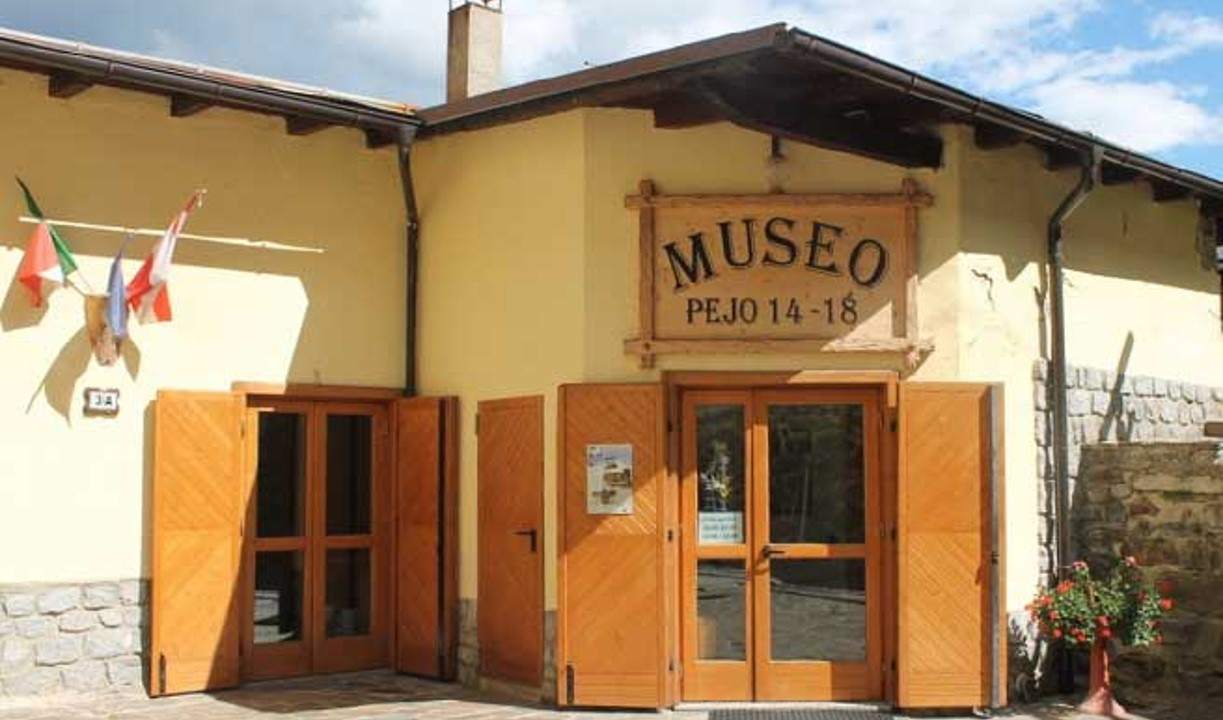
1,581 mMuseo Pejo 1914‑1918
1,577 mCóme èren
1,567 mMolìn dei Turi
San Rocco cemetery
All profiles use the same altitude scale; the distances between stops are not to scale.
Dates from 1914 to 2026
From the outbreak of war in 1914 to the shared website of the five places in 2026. Every date has its source in the museum’s own texts.
1914
28 July: war breaks out between the Austro‑Hungarian Empire, of which Trentino is part, and Serbia. The men of the valleys leave for the front in Galicia.
1915
24 May: Italy enters the war. Peio is on the front line: here the Tyrolean front runs above three thousand metres. The war is on people’s doorsteps.
1918
3 September: the battle to retake the summit of San Matteo, probably the highest battle in history.
2004
On Piz Giumela the museum’s director finds three Kaiserschützen who fell on 3 September 1918. Since then a commemoration has been held every September.
2014
July: the Punta Linke site opens, probably the highest place of memory in Europe.
2025
22 June: the “Cóme èren” exhibition, with working miniature models of the tools of former times.
2026
For the first time, the five places are presented together on a single website.
2026 season
Opening times and admission
2026 season opening timesThe museum is open from June to September
Museum opening calendar for 2026: from 11 June to 19 July, timetable A; from 20 July to 6 September, timetable B; from 7 September to 20 September, timetable A; closed from 21 September, groups by appointment.
JunJulAugSepOct
ABAgroupstoday
11 Jun20 Jul7 Sep21 Sep
A10:00–12:00 and 16:00–18:0011 Jun – 19 Jul · 7 Sep – 20 Sep · daily
8101214161820
B10:00–12:00 and 15:00–18:3020 Jul – 6 Sep · daily
8101214161820
Admission
By donation
Museum admission, by donation.
Punta Linke · high altitude
Summer, daily 11:00–15:00
Admission by donation. It is reached on a trek for experienced hikers, with the Rifugio Vioz as a base: you need suitable equipment. Check that the site is open before you set out.
Source: the museum’s current website, 2026 season. Opening times for the places run by others (the mill, the dairy) will come from the people who run them.
38024 Peio (TN)
Getting here
Salita San Rocco, 1, Peio Paese, in Val di Peio (Trentino).
Peio Paese from above. Orthophoto 2015, Autonomous Province of Trento.
1By car from anywhere in Italy60 km from the exit
A22, San Michele all’Adige exit
Mezzolombardo
Cles
Malè
Peio
A22 Brenner motorway, San Michele all’Adige exit; then 60 km towards Mezzolombardo, Cles, Malè, Peio.
2By car from Milan and Turin
A4, Seriate exit
Lovere
Edolo
Ponte di Legno
Passo del Tonale
Fucine
Peio
A4 Milan–Venice motorway, Seriate exit; then towards Lovere, Edolo, Ponte di Legno and the Passo del Tonale. Drive down the Val di Sole to Fucine, where the road to Peio turns off.
3By public transport
Trento or MezzocoronaTrento–Malè railway
Malèbus
Peio
By train to Trento or Mezzocorona; then the Trento–Malè railway to Malè and the bus to Peio.
4By airthe nearest airports
Bolzano
Verona Catullo
Bergamo Orio al Serio
Venice Marco Polo
Milan Linate
Milan Malpensa
Write to the museum
Guided tours, groups and schools, archive research, press, membership cards: the association’s office will reply.